

Maps and geography → Identify simple place and map ideas → Uses words for talking about where things are.
Preschool learner → Follows a printed geography prompt with adult reading → Practices listening, pointing, and choosing a response.
Map practice → Compares locations or clues on the page → Looks carefully before marking an answer.

Four-year-olds often understand real places from daily life, but a flat map can still feel strange. This preschool social studies page gives you a calm way to talk about maps and geography together. Read the prompt, let them point first, and then help them complete the page with a pencil or crayon.
This page is a good fit when a child can listen to a short direction, look at the printed choices, and make a simple mark with help. If map words are new, start with one plain idea: a map shows where things are. Keep the pace small. One prompt at a time is plenty for many preschoolers.
As you work, name the useful words out loud, such as place, map, near, far, above, below, or next to if they match the prompt on the page. The goal is simple practice: look closely, listen to the direction, point or mark an answer, and say what was noticed. For more practice with the same skill, try this preschool map practice page, then use this extra maps and geography worksheet another day so the idea feels familiar in a fresh layout.
Stay close and treat mistakes as chances to look again. You can ask, “What do you see?” or “Where should we look first?” After the page is done, take the same where words into the room around you. Point to two spots and ask which one is closer, farther, above, or below, using only the words your child is ready to try.
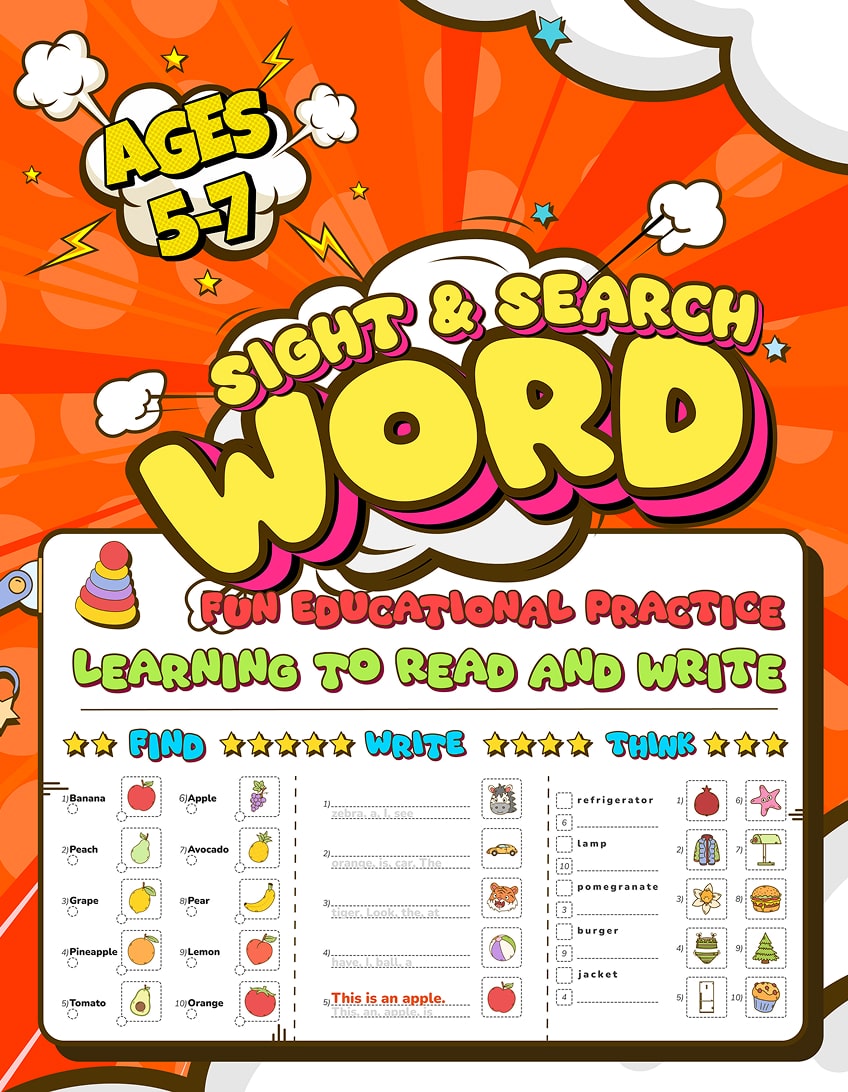
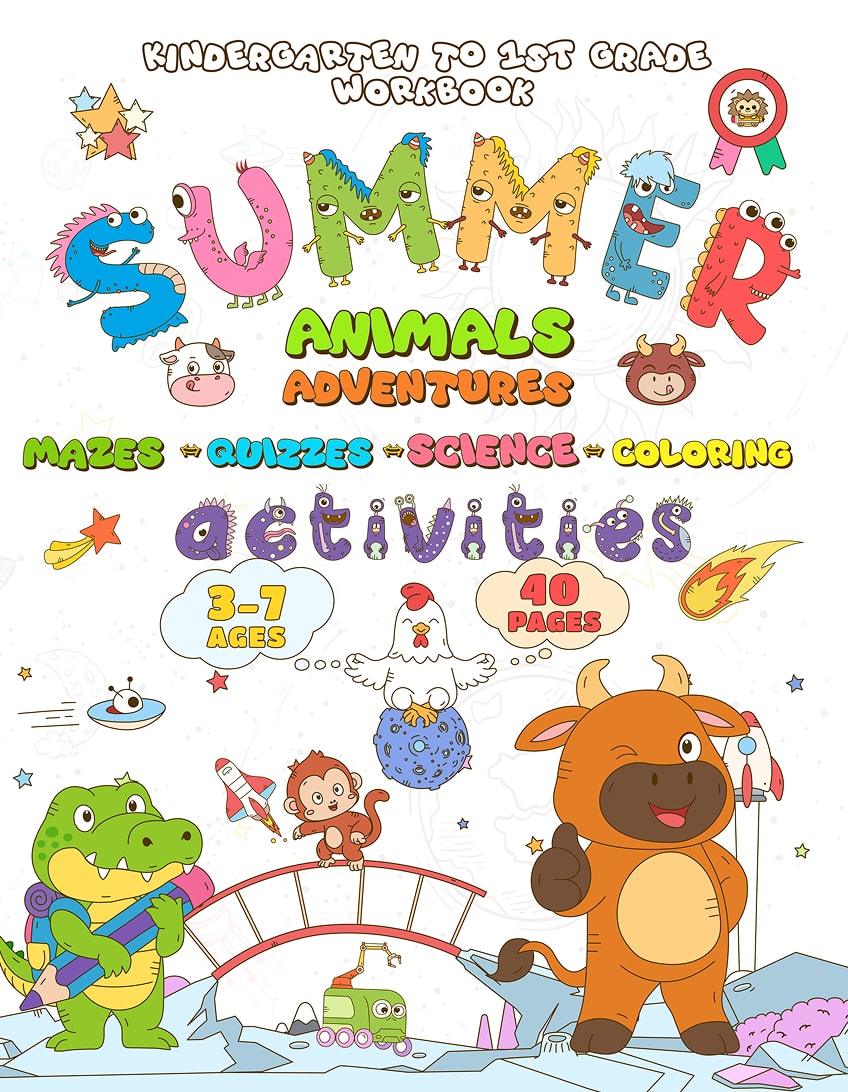
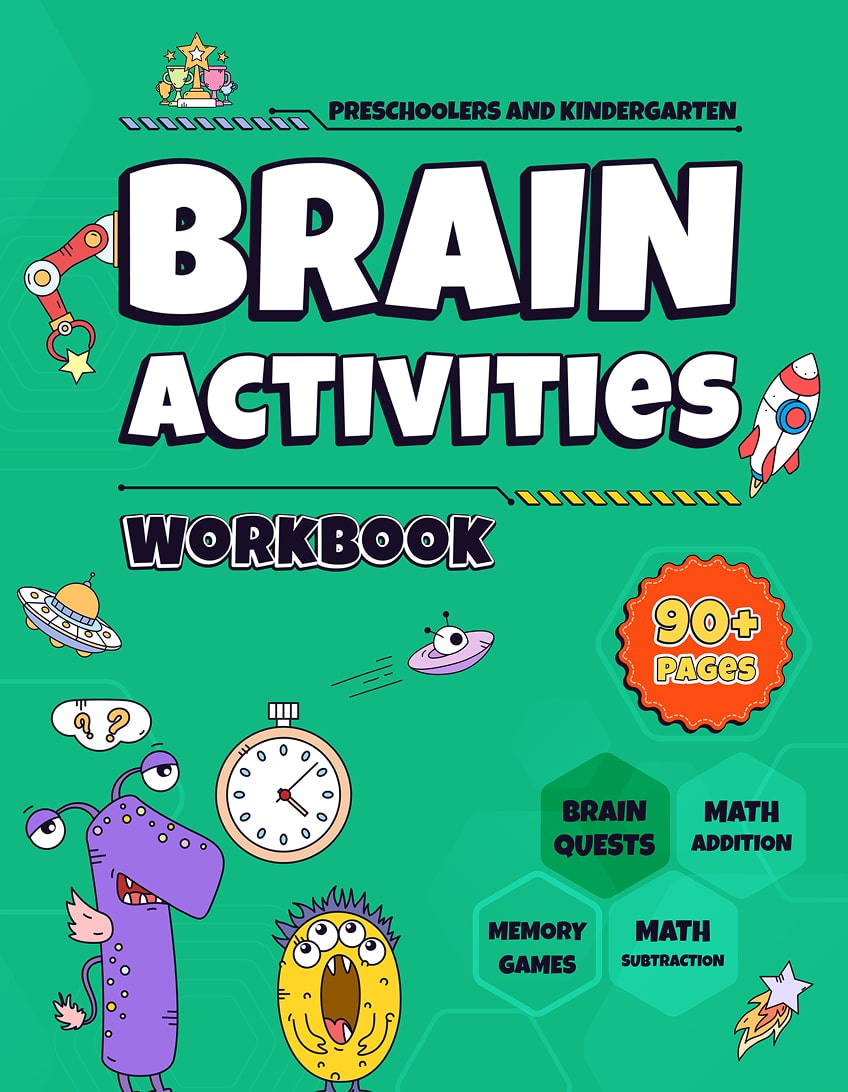
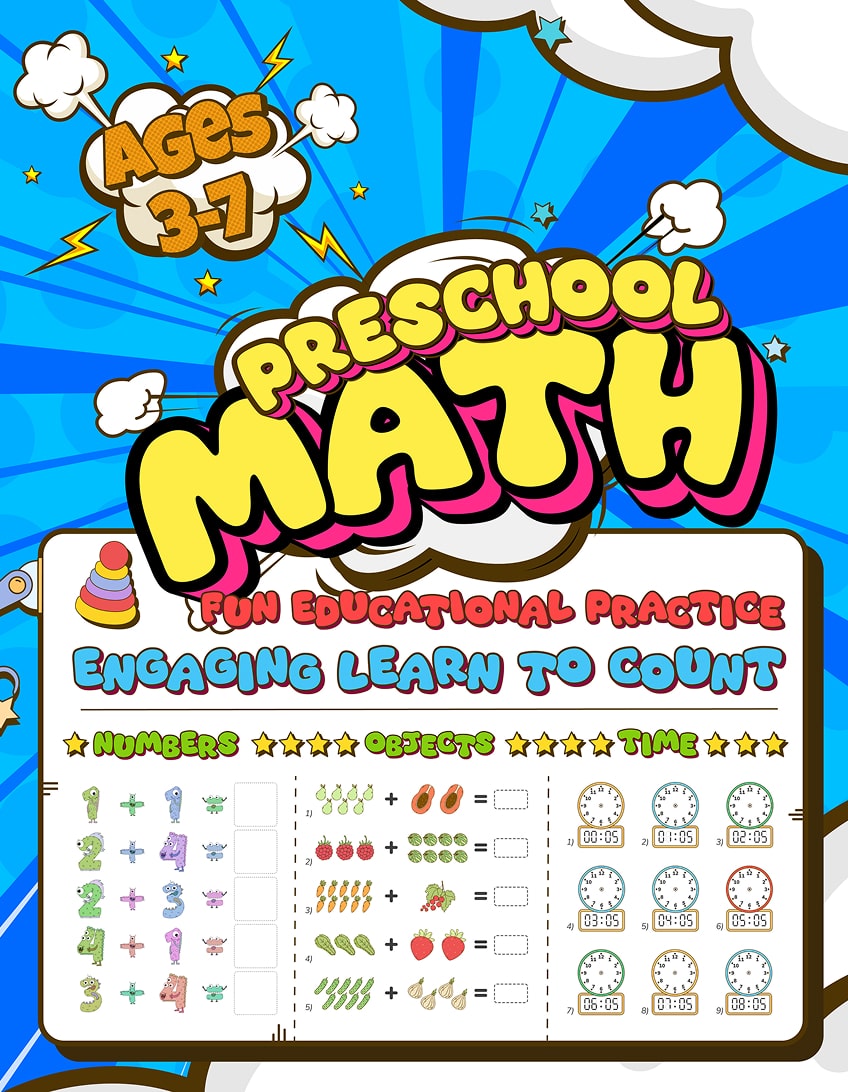
Boost your child’s skills with our discounted workbooks. Engaging activities for preschool, kindergarten, and grade 1 - now at special sale prices!


Fast shipping
Secure Payment
Licensed Teachers
For the planet
Printed in the USA
Helpful guides for parents and teachers, and tips for making learning at home super fun.

Help young children measure with paper clips before a ruler, using equal units, clear endpoints, and quick fixes for gaps, overlaps, and different answers.

Picture labels can build meaning, first-sound attention, or guessing habits. Use this parent-friendly decision tree to know when to cover or reveal the picture.

A vague school screening notice can leave families guessing, so start with seven plain questions about the test, timing, language, evidence, and next steps.

A field note on the May 2026 move to one shared worksheet generator API, with a simple parent preview for print consistency and handwriting comfort.
Get exclusive activities, expert tips, and inspiration for a more meaningful, offline family life.