Maps and geography worksheet → Recognizes familiar places → Child connects simple map ideas with real rooms, streets, and community spots.
Maps and geography worksheet → Uses location words → Child describes where objects or places are using simple preschool geography language.
Maps and geography worksheet → Practices visual attention → Child looks closely at printed map details before pointing, naming, or answering.

The maps and geography printable worksheet introduces a young preschooler to early map thinking in English. The worksheet gives age 3 children a simple way to look at places, notice where things are, and connect geography words with a printed page.
At age 3, many children understand places through daily routines, like home, school, the park, or the store. Maps can feel confusing because a flat picture stands for a real place, and young children may point everywhere before settling on one spot.
Sit beside the child and look at the page together before asking for answers. Name one place or map feature on the worksheet, invite the child to point, and use short location words like near, far, beside, and around during the conversation.
The worksheet is useful because the page keeps the task small and talk-friendly. A parent or teacher can turn each prompt into a quick back-and-forth conversation, so map practice feels like shared noticing instead of a quiz.
Boost your child’s skills with our discounted workbooks. Engaging activities for preschool, kindergarten, and grade 1 - now at special sale prices!


Fast shipping
Secure Payment
Licensed Teachers
For the planet
Printed in the USA
Helpful guides for parents and teachers, and tips for making learning at home super fun.

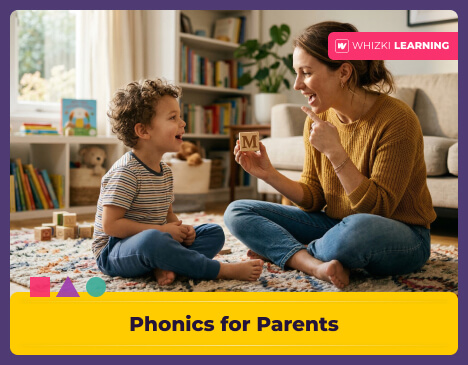
Teaching a child to read often creates immense anxiety for parents, leading to frustrating flashcard memorization. This comprehensive guide details a proven, Montessori-inspired phonics method that prioritizes letter sounds over letter names. Learn how screen-free, hands-on learning activities build essential phonemic awareness and prepare preschoolers for fluent reading without academic pressure.

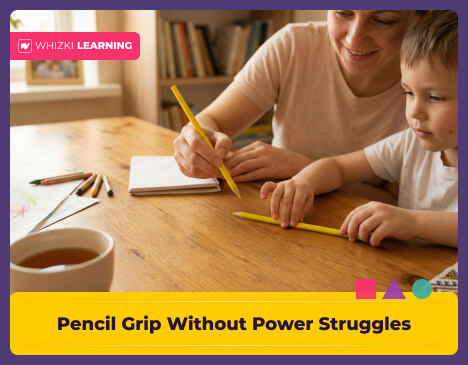
Seeing your child hold a pencil like a dagger can trigger instant panic. But constantly 'correcting' their grip often leads to tears and a hatred of drawing. This How-To guide reveals gentle, occupational therapist-approved tricks-like the 'Broken Crayon' and the 'Pinch and Flip'-to naturally fix pencil grip without the power struggles. Learn why tactile resistance matters and how to set your child up for handwriting success.

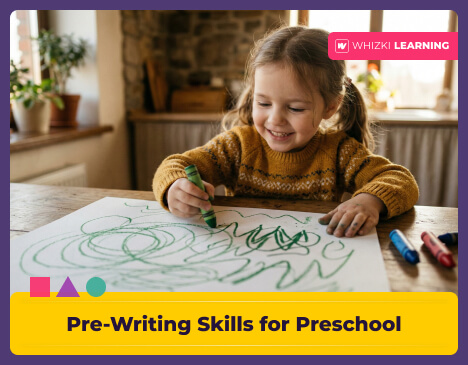
Is your preschooler struggling to write their name? Don't panic. Before a child can write an 'A' or a 'B', they must master a hidden sequence of physical and cognitive milestones. This comprehensive guide reveals the essential 'pre-writing' strokes, explains why core strength matters more than flashcards, and shows you exactly how to improve fine motor skills through playful, screen-free practice.

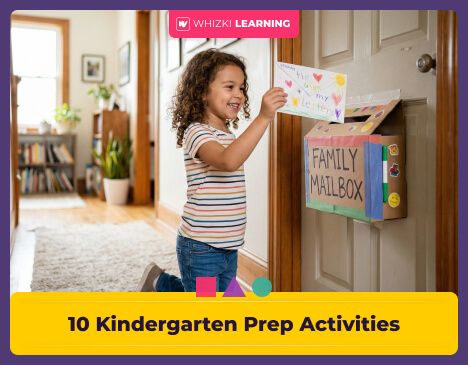
Preparing for kindergarten shouldn't mean tears at the kitchen table over flashcards. The best learning at this age happens through play. Discover 10 incredibly simple, screen-free activities for kids that build essential school-readiness skills-like the pincer grasp, working memory, and focus-without ever feeling like 'homework'.
Get exclusive activities, expert tips, and inspiration for a more meaningful, offline family life.