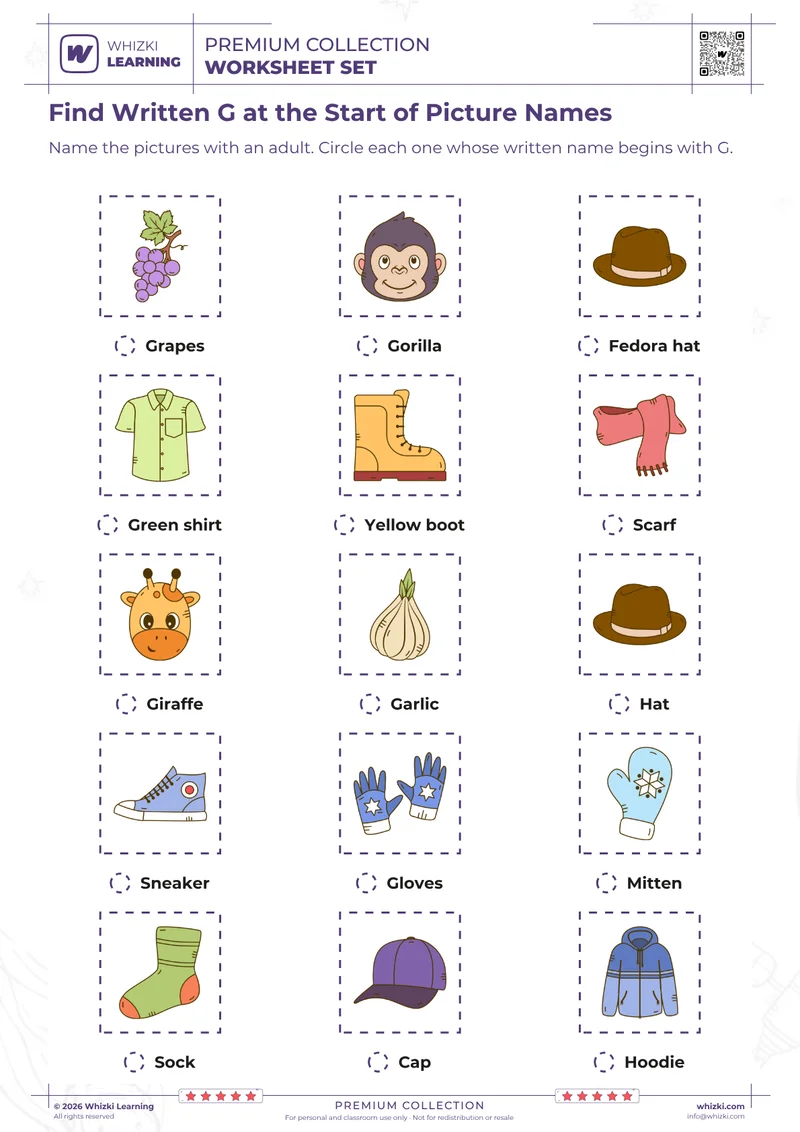


Identify G as the first written letter in the matching labels: grapes, gorilla, green shirt, giraffe, garlic, and gloves, with adult support reading the names.
Use the complete printed label as the reference, checking its first letter rather than guessing the spelling from the illustration.
Apply a written-letter rule across fifteen picture choices and distinguish that task from listening for a shared first sound.

This letter G picture-name worksheet presents fifteen labeled pictures. Circle the pictures whose printed names begin with G, using the label beneath each illustration as the reference. The matching names are grapes, gorilla, green shirt, giraffe, garlic, and gloves. Read the names together before starting so vocabulary and spelling are available to a child who is still learning to read independently.
Gorilla and giraffe both begin with the written letter G, but their first sounds differ. The letters at the start of the printed labels are what count in this activity.
An adult can name a picture and read its label without choosing the answer. Ask the child to point to the first letter and decide whether it matches the target. Work across the grid in a consistent order and circle each qualifying picture once. For a label containing more than one word, use the first letter of the complete printed phrase, keeping the page’s wording as the rule.
Visit the letter G guide for related letter information. The Phonics and Sounds Pack includes other literacy formats. As a separate follow-up, choose one familiar label, say it aloud, and discuss how its spelling relates to its sounds with adult support. Keep that conversation distinct from the printed search so the child understands which feature each task is asking them to notice.
Boost your child’s skills with our discounted workbooks. Engaging activities for preschool, kindergarten, and grade 1 - now at special sale prices!


Fast shipping
Secure Payment
Licensed Teachers
For the planet
Printed in the USA
Helpful guides for parents and teachers, and tips for making learning at home super fun.

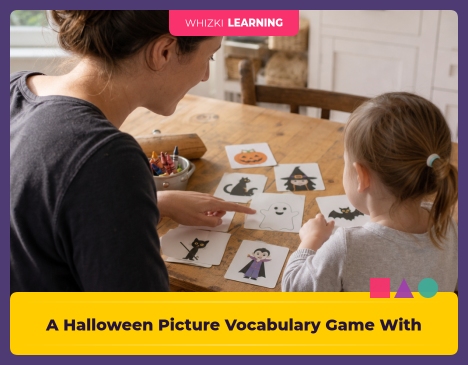
Use six friendly Halloween pictures for naming, first-sound sorting, describing, and a tiny story, with a nonreading option for ages 3-7.

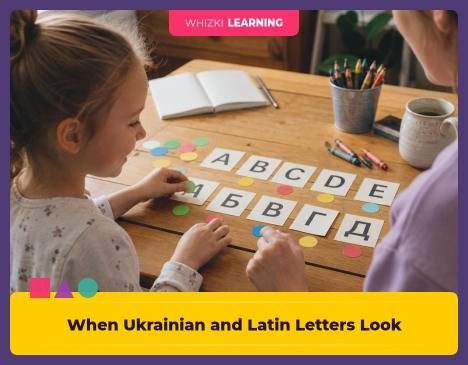
A warm, practical plan for helping ages 3-7 notice Ukrainian and Latin letter look-alikes with color cues, context, and short table routines.

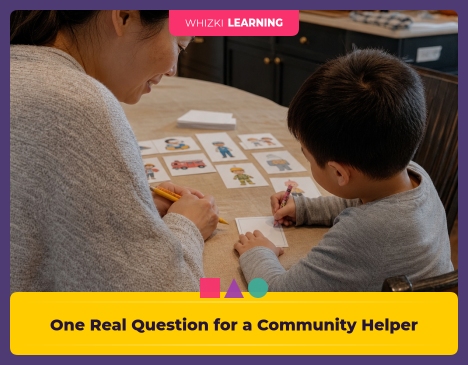
Help children ages 3 to 7 prepare one respectful question for a real community helper using a simple card, quick rehearsal, and honest context.

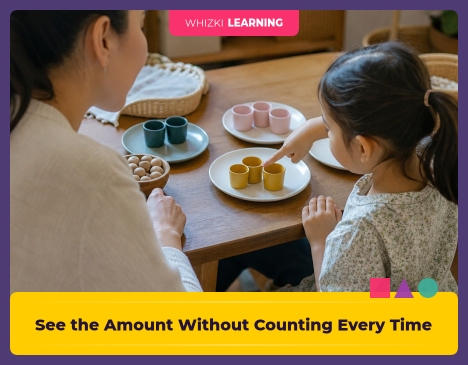
Use cups, plates, or blocks to help children ages 3-7 recognize small amounts without counting each object, in a quick table routine.
Get exclusive activities, expert tips, and inspiration for a more meaningful, offline family life.