
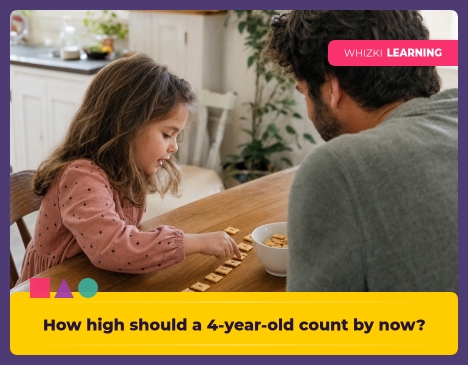
If dinner is sizzling and your preschooler proudly skips from “one, two, three” to “seven,” here is the short answer: many 4-year-olds can rote count to 10 to 20, while accurate object counting is often closer to 4 to 8 items; tonight, count six crackers together by touching each cracker once. A skipped number is common, especially when a child is excited, tired, or moving fast. The next step is short, playful practice with real objects rather than a quiz at the table.
Reviewed by Whizki Editorial Team, Early Childhood Education Editors.
What most 4-year-olds can count
Typical 4-year-old counting often looks uneven because rote counting and object counting grow at different speeds. Many preschoolers can chant numbers to 10, 15, or 20 after songs, calendar time, or car-seat practice. Accurate one-to-one counting, where one number matches one object, usually starts with smaller sets such as 4, 5, 6, 7, or 8 items.
NAEYC guidance reminds teachers and families to look at number sense during play, routines, and conversation, not during one pressured performance. A child who counts five blueberries correctly at breakfast may skip numbers later when toys are scattered across the rug. A broader early-math path is laid out in the numbers learning hub if you want more ways to notice growth without turning counting into a test.
Kindergarten readiness does not require a 4-year-old to count to 100 with full meaning. Kindergarten teachers usually care more about listening to a child touch, move, and compare small groups than hearing a long memorized string. A child who says “one, two, three, four” while moving four spoons is showing a stronger foundation than a child who races to 39 without matching numbers to objects.
Why reciting numbers and understanding quantity differ
Rote counting is a language pattern first, much like a song or chant. Quantity understanding is a thinking task that asks the child to match a spoken number to one real object, keep track of which objects were counted, and remember that the last number tells “how many.” The Orton-Gillingham tradition calls for multisensory practice in reading, and the same hands-on idea helps early math because children need to see, touch, hear, and move while learning a sequence.
Teen numbers are especially tricky because English names do not follow the same clean pattern as twenty-one, twenty-two, and twenty-three. A 4-year-old may say thirteen after thirty or call sixteen “sixty” because the sounds are close and the order is confusing. The pattern is explained in plain language in why the teen numbers are hardest, and the short version is that teen names take time and many playful repeats.
Montessori and Reggio-inspired classrooms both watch the child’s hands as carefully as the child’s words. A child who lines up buttons, moves each button into a bowl, and stops after the final number is building real number sense. A child who chants fast while the fingers sweep across the pile may need slower object work before bigger number goals make sense.
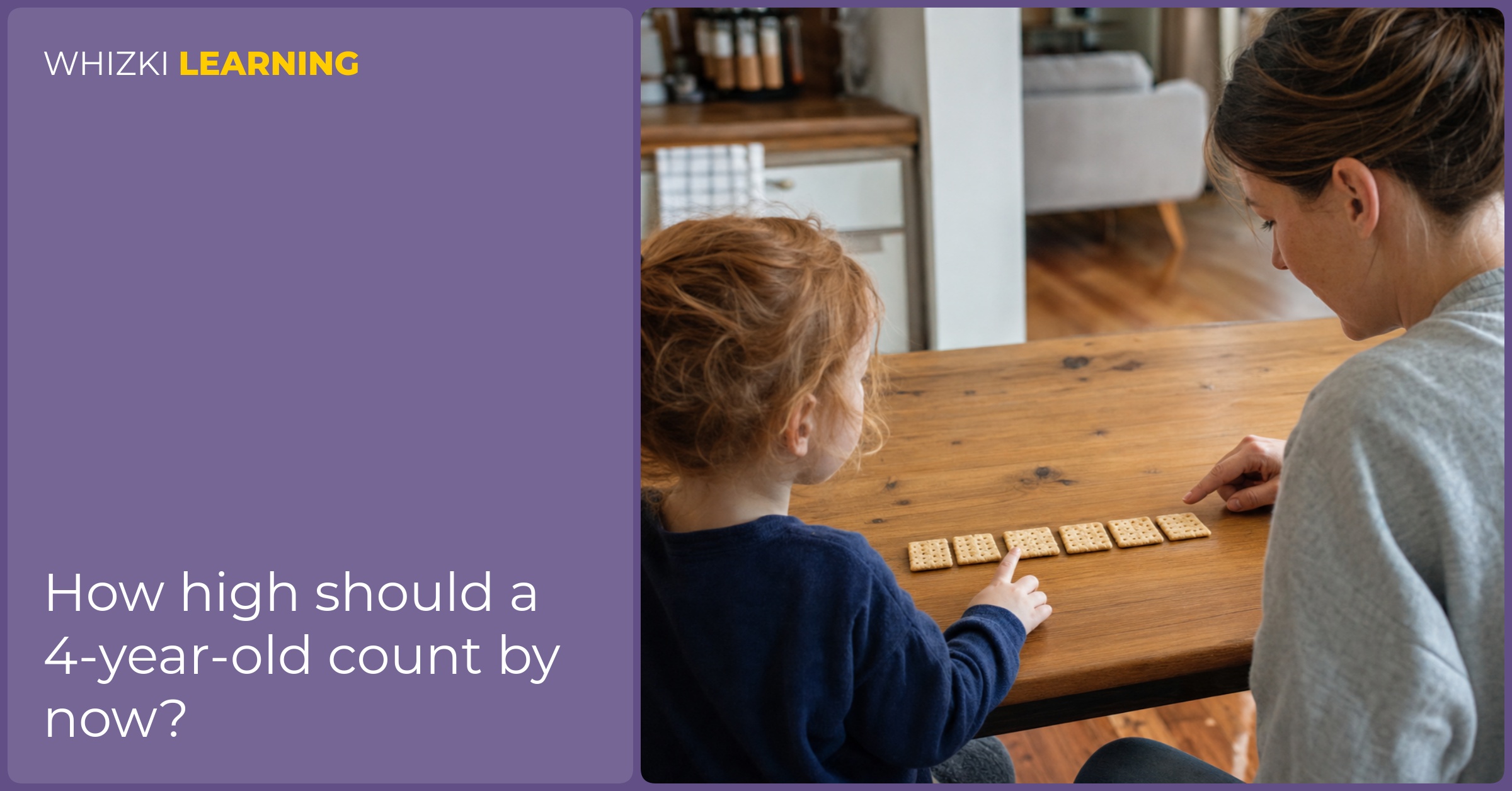
Kitchen game 1: cracker touch count
Cracker touch count turns snack into a small counting lesson with no worksheet and no setup. Put six crackers in a row, point to the first cracker, and say “one” as the child touches the cracker. Continue slowly until the child hears one number for one cracker, then ask, “How many crackers are there?”
Occupational-therapy basics support this kind of counting because young children often learn better when hands, eyes, and words work together. The finger touch gives the child a stopping place and reduces double-counting. The row also gives the child a left-to-right path, which quietly supports later reading direction.
Cracker touch count should stay short enough to feel successful. Start with three or four crackers if six leads to guessing, wiggling, or grabbing. Add one more cracker on another day when the child can touch and count without rushing.
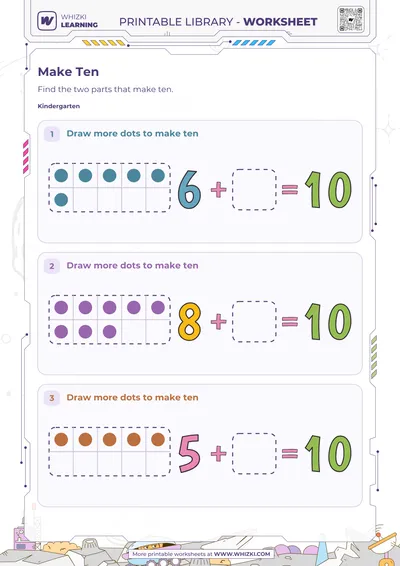
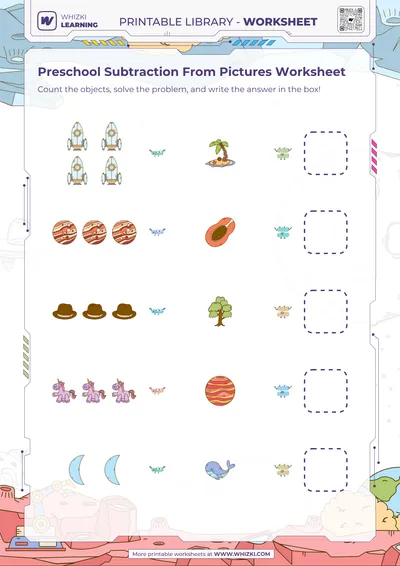
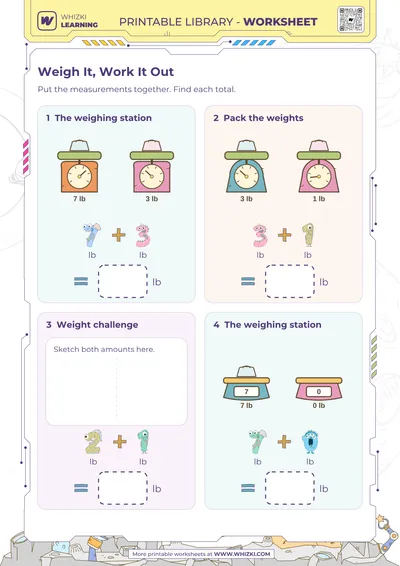
For a quiet table option, choose a number page from our printable library and pair the page with cereal pieces, buttons, or counters. A printable works best when the child marks, covers, or moves real objects rather than staring at numbers alone.
Kitchen game 2: spoon set-up count
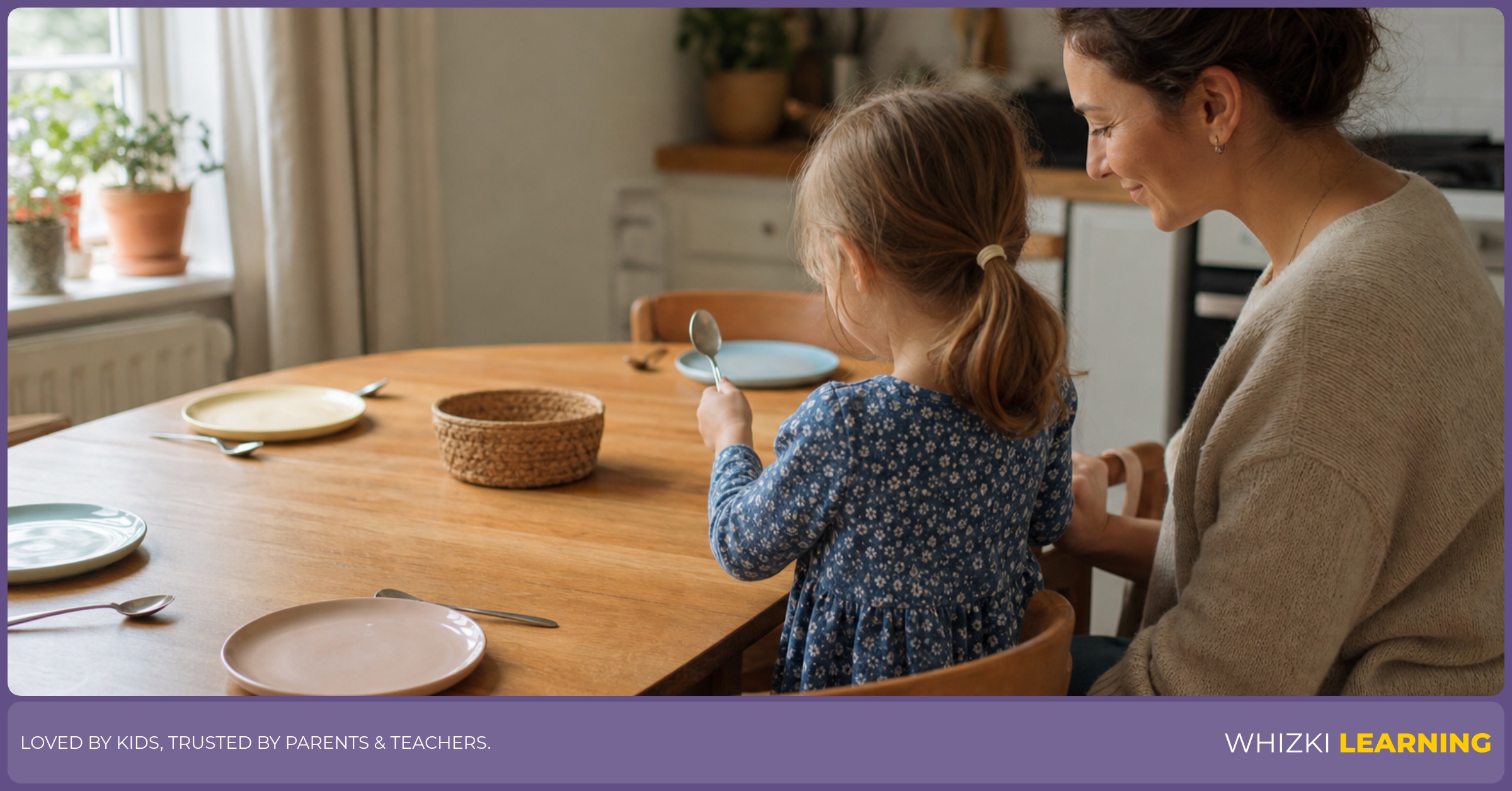
Spoon set-up count uses a real family job, so the math has a reason. Ask the child to place one spoon at each seat, then count the spoons after the table is set. Reggio-inspired teaching values meaningful tasks like table setting because the child sees number as part of daily life.
Spoon set-up count also teaches one-to-one correspondence in a different way from snack counting. Each seat gets one spoon, and each spoon belongs to one person. The child may notice a missing spoon before the adult says anything, which is early comparing and checking.
NAEYC-aligned preschool rooms often repeat the same math idea in many settings rather than pushing a child to bigger numbers too soon. Spoon set-up count can stay at two, three, or four places for a while. Bigger family meals can add challenge when the child is ready, especially if the child can slow down and check the final total.
When to ask for extra help
Extra help is worth considering when a 4-year-old cannot count two or three objects with support, never tries number words during play, or seems confused by “one more” across many everyday routines. A pediatrician, preschool teacher, or early-childhood specialist can look at language, attention, hearing, vision, and fine-motor pieces together. Speech-language practice reminds families that number words are language too, so a child with broader language delays may need extra repetition and clearer modeling.
A single rough counting day does not mean a child is behind. Fatigue, hunger, a new setting, or too many objects can make counting fall apart for children who usually manage small sets well. The best next move is to watch counting across a week of normal life, then bring specific notes to a teacher or pediatrician if the same concern keeps showing up.
Counting at 4 should feel like a small, shared routine, not a scoreboard. If kitchen-table notes like these help, come join the weekly newsletter for calm early-learning ideas.