If your child can sing the alphabet but freezes when a worksheet asks for an action word, pick five V verbs from the lists below, act each one out, and tape the short list where breakfast or circle time already happens. Early readers do better when the word has a real motion, sound, or choice attached to the word. The V sound can feel tricky at first, so short practice beats a long sit-down lesson.
Reviewed by Whizki Editorial Team, Early Childhood Education Editors.
How V verbs help early readers
The verb list below keeps the V practice concrete because children ages 3 to 7 learn action words best through movement, talk, and repetition. In Orton-Gillingham lessons, a sound, a mouth movement, a letter shape, and a word meaning are paired on purpose, so the child has more than one way to remember the word.
The letter V sound asks the top teeth to touch the bottom lip while the voice turns on, and that mouth cue is useful during read-aloud time. For sound and letter practice beside these verbs, keep our letter V learning page open during a short routine.
The V word family can get crowded when nouns, verbs, and describing words sit in one pile. For object names, use first words starting with V, and for words that describe people or things, use describing words starting with V.
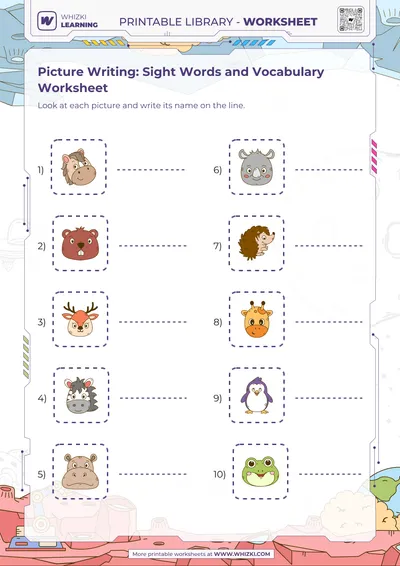
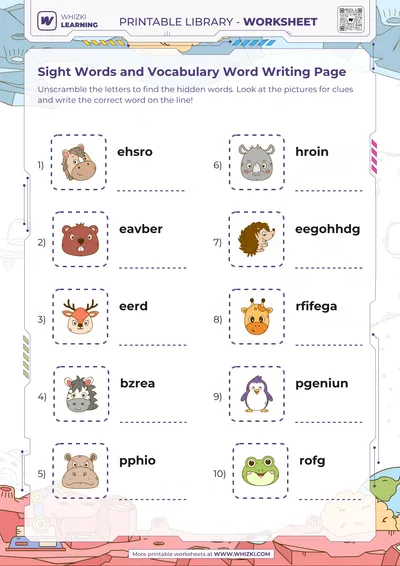
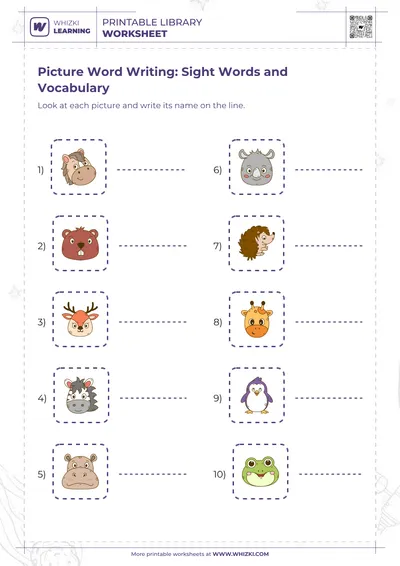
Print one matching V vocabulary page and tape the page near the snack table, cubby wall, or homeschool basket. The sight-words printables work well as a mid-routine helper because a child can point, say, move, and return to the day without a long lesson. A pencil, a crayon, and two minutes are enough.
Body action verbs that start with V
Body action verbs give children a safe way to feel the word before trying to read the word. Occupational-therapy basics often use big-body movement before fine-motor pencil work because gross-motor practice helps children settle into a task with better body awareness.
The kindergarten teacher can say the V verb, model the motion once, and let the child copy the motion. A Montessori-style observation lens helps the adult notice which verbs the child already understands and which verbs need a real object, such as a blanket, pillow, or chair.
- Vacate: Vacate the little chair.
- Vanish: Vanish behind the blanket.
- Vault: Vault over a pillow.
- Veer: Veer around the tower.
- Vibrate: Vibrate like a phone.
- Vocalize: Vocalize a bear growl.
- Voice: Voice a cheerful hello.
- Volunteer: Volunteer with one raised hand.
- Venture: Venture across the rug.
- View: View the cloudy sky.
- Vent: Vent with a long sigh.
- Vow: Vow to try again.
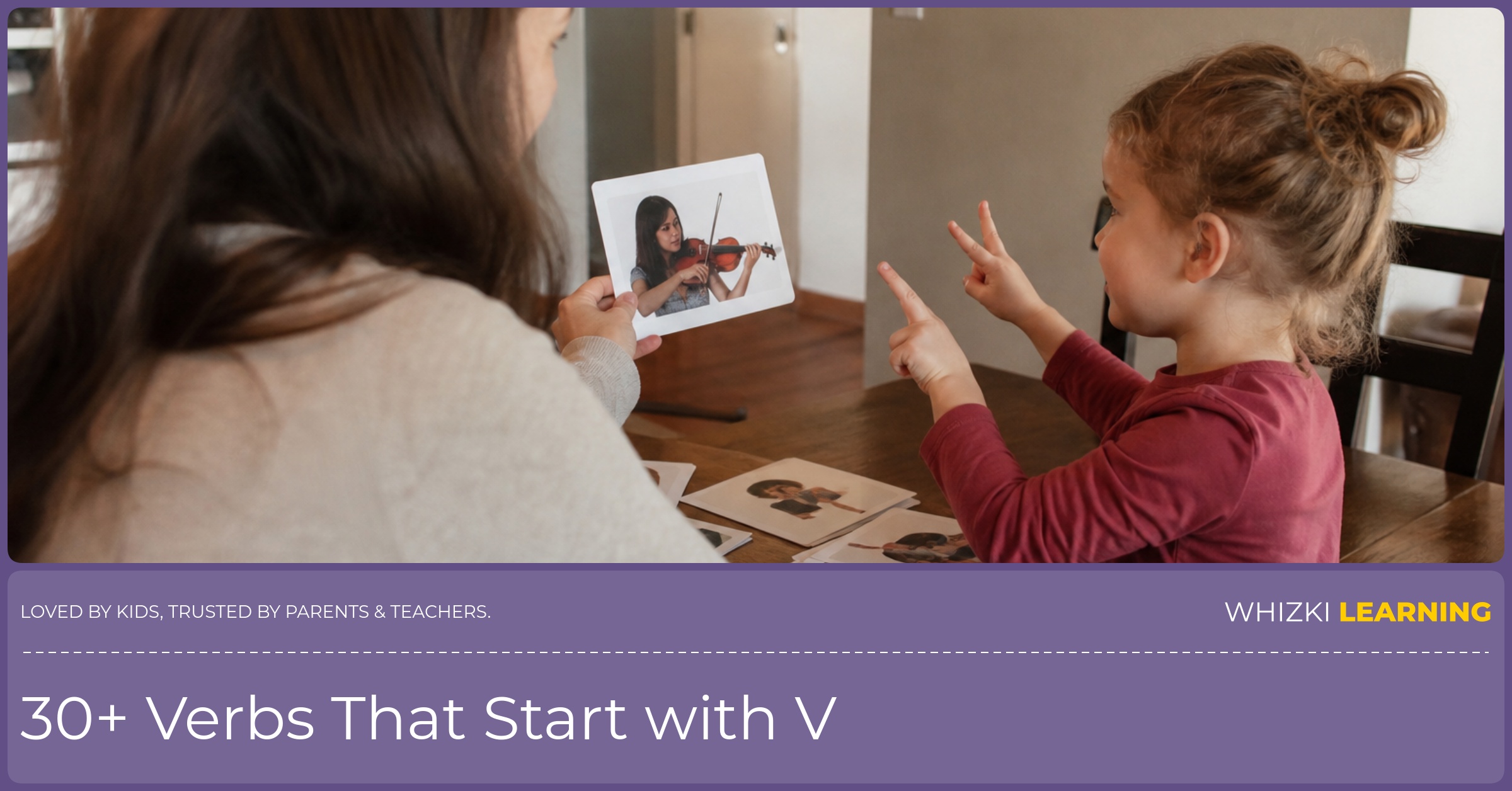
Household action verbs that start with V
Household action verbs make vocabulary feel useful because the child can see the word happen during a real family routine. NAEYC guidance values meaningful language in everyday settings, so the kitchen, entryway, and laundry basket can become gentle vocabulary spots.
The caregiver can choose two household V verbs during one chore and skip the rest for later. Reggio-inspired teaching follows the child's interest, so a child who loves shoes may learn velcro before a child who loves snack choices may learn vote.
- Vacuum: Vacuum under the table.
- Velcro: Velcro your sneaker strap.
- Ventilate: Ventilate the warm room.
- Visit: Visit the breakfast table.
- Vote: Vote for apple slices.
- Veto: Veto the scratchy socks.
- Verify: Verify the sock match.
- Value: Value the clean plate.
- Vary: Vary the snack colors.
- Veil: Veil the basket gently.
Play action verbs that start with V
Play action verbs are perfect for preschool and kindergarten because pretend play holds attention longer than a worksheet alone. Speech-language pathology practice often builds vocabulary through turn-taking, imitation, and short phrases, and play gives the adult many chances to repeat a new word naturally.
The adult can read one V verb, act the verb, and then let the child lead the next turn. Orton-Gillingham practice still matters here because the adult can point to the printed V while saying the sound and then connect the printed word to the pretend action.
- Vroom: Vroom the toy truck.
- Volley: Volley the beach ball.
- Voyage: Voyage across the carpet.
- Visualize: Visualize a purple dragon.
- Vacation: Vacation on the towel.
- Vamp: Vamp on the drum.
- Vanquish: Vanquish the sock monster.
- Vibe: Vibe to quiet music.
- Videotape: Videotape the puppet show.
Act-it-out V verb charades game
The V verb charades game needs paper slips, a basket, and three to five words from one group above. NAEYC-aligned play keeps the task short and joyful, so the adult should stop while the child still wants another turn.
The caregiver writes one V verb on each slip, reads the word quietly to the actor, and invites the actor to move without talking. The watching child guesses the action, and the adult repeats the full sentence, such as “Vroom the toy truck,” so the verb stays connected to a complete thought.
The Reggio habit of documenting learning can be simple here. The teacher can place a check mark beside any V verb the child acts out easily and circle one V verb to practice again during tomorrow's transition time.
Trace-the-word tip for V verbs
The trace-the-word tip is to trace only one V verb after the child acts the word out. Occupational-therapy basics favor a short, successful pencil task because a tired hand can turn letter practice into a fight fast.
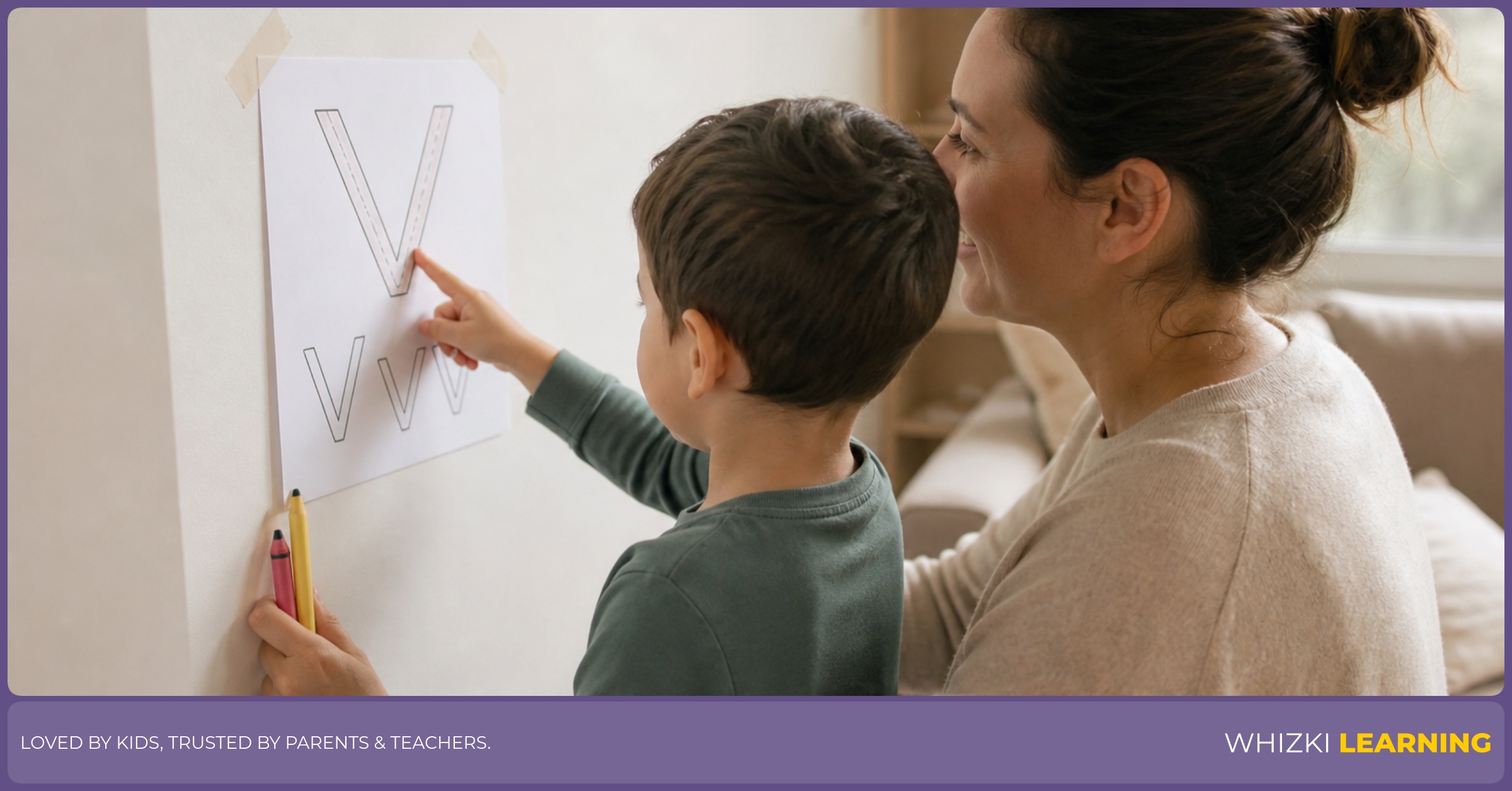
The adult can write the V verb in large letters, place two starting dots at the top of the V, and say “slant down, slant up” while the child traces. Orton-Gillingham practice pairs the letter name, the sound, and the movement, so the child says the word after tracing rather than silently filling a whole page.
The wall routine can stay very small. Tape the printable at child height, invite the child to trace one word with a finger before crayon tracing, and celebrate a careful attempt instead of a perfect line.
V verbs are not the easiest alphabet group, so a practical parent or teacher should keep the list playful and useful. Choose one body action, one household action, and one play action today, then let the child move, say, and trace the words in that order.