If your child is 5 and a cousin is already reading easy books, the worry can hit fast, so tonight choose one short read-aloud and ask your child to spot one favorite letter on the page. The reading timeline for ages 4 to 7 has a wide, normal range. The goal is steady growth in sounds, language, print, and confidence, not a race to a certain page number.
Reviewed by Whizki Editorial Team, Early Childhood Education Editors.
The realistic reading timeline from 4 to 7
The age 4 reading stage often looks like story love, pretend reading, name recognition, rhyming games, and big feelings about favorite books. NAEYC guidance reminds early-childhood teachers to watch development across language, play, motor skills, attention, and social confidence, because early reading grows from all of those roots.
The age 5 reading stage may include letter names, some letter sounds, environmental print, and a few memorized words from repeated books. The question should a 5-year-old read has a calmer answer than many families hear at pickup, because some kindergarteners decode words and some kindergarteners are still building the sound map that decoding needs.
The age 6 reading stage is often the middle of the bell curve, where many children begin putting sounds together with more ease. The age 7 reading stage often brings smoother simple books, better stamina, and more self-correction, especially when a child has had clear phonics teaching, rich read-alouds, and enough time for practice.
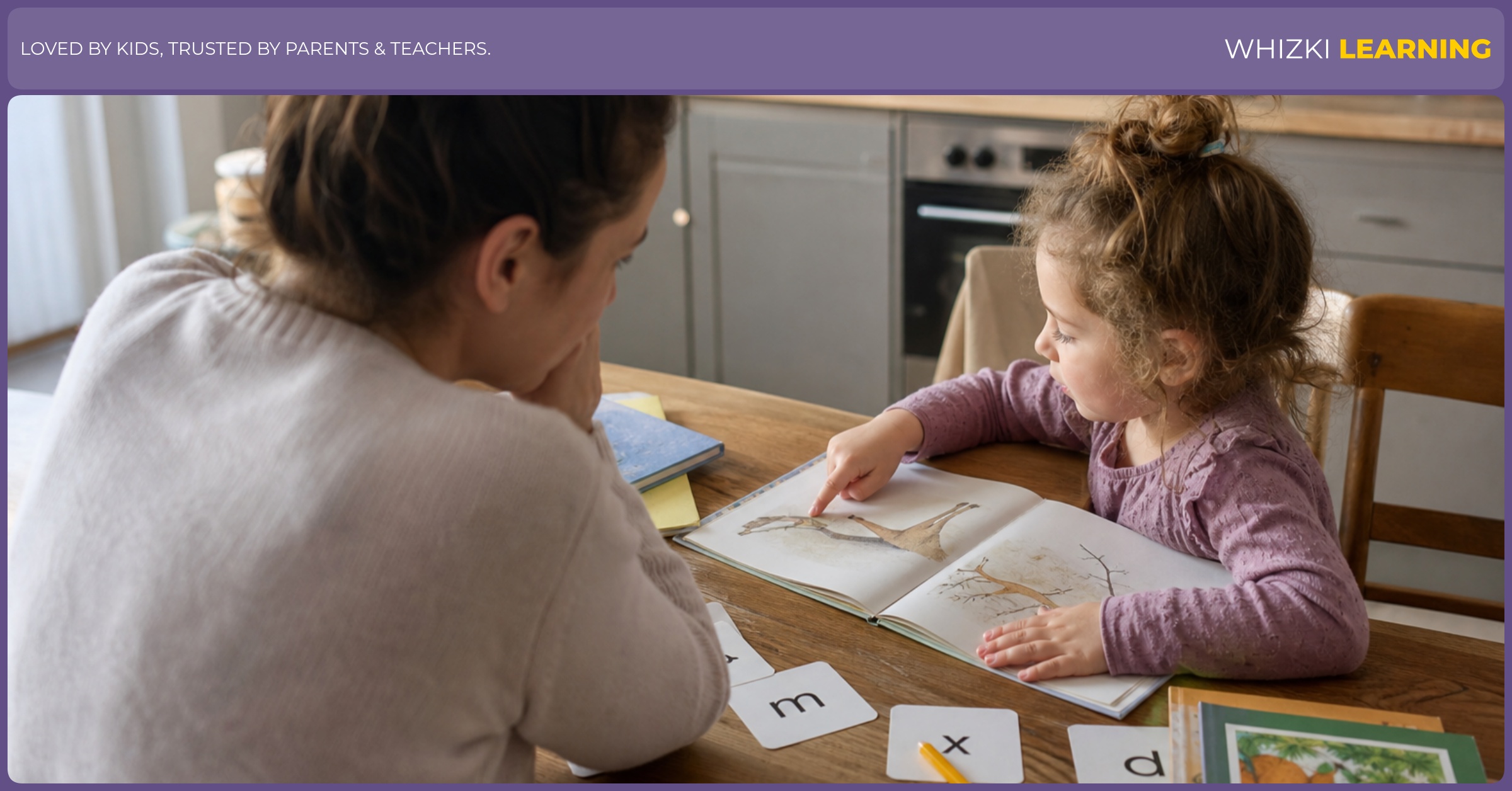
The five stages in parent language
The first stage is book and language love, where a child learns that books carry stories, songs, jokes, and comfort. Reggio-inspired observation treats the child's book choices, questions, and pretend reading as real literacy behavior, not as filler before the serious work begins.
The second stage is print awareness, where a child notices that print goes in a direction, names can be written, and signs in the grocery store mean something. The third stage is sound play, where rhymes, syllable claps, first sounds, and silly word games help the child hear speech as parts.
The fourth stage is letter-sound linking, where a child connects a printed letter with a sound and starts to remember the connection without guessing from pictures alone. The Orton-Gillingham approach uses direct, multisensory practice for this step, such as saying the sound, tracing the letter, and blending with hands or tiles.
The fifth stage is early decoding, where a child reads simple words by moving through sounds and blending the sounds into a word. Early decoding may look slow at first, because the child is doing careful brain work, and slow accurate reading is a stronger sign than fast guessing.
Why age 6 is the median, not the deadline
Age 6 is a common midpoint because many children have enough speech-sound awareness, memory for letter patterns, and classroom routine to practice reading more often. NAEYC-aligned kindergarten practice still expects variation, because a 6-year-old with a fall birthday, a spring birthday, a new language, or less prior print exposure may be in a different place.
The median is not a deadline because reading depends on several growing systems working together. Speech-language pathology practice pays close attention to how children hear and produce sounds, because a child who cannot easily hear the difference between similar sounds may need more oral language play before print makes sense.
The comparison trap can make a normal reader look late. A child who loves stories, understands read-alouds, plays with rhyme, remembers some letters, and keeps trying is usually building the runway, even when the takeoff is not as early as another child's.
How the reading pillars fit together
The reading pillars give parents a simple way to see why reading is more than memorizing words. The parent version of the five pillars of reading usually includes phonemic awareness, phonics, fluency, vocabulary, and comprehension.
Phonemic awareness is the ear work, such as hearing that sun starts with the sound /s/. The Orton-Gillingham lineage treats phonics as the print work, where children connect letters and letter teams to sounds in a clear sequence.
Fluency grows when a child reads familiar words with less strain, vocabulary grows through conversation and read-alouds, and comprehension grows when a child talks about what a story means. Montessori and Reggio classrooms both remind adults to slow down and observe the learner, because a child may understand a story beautifully before decoding catches up.
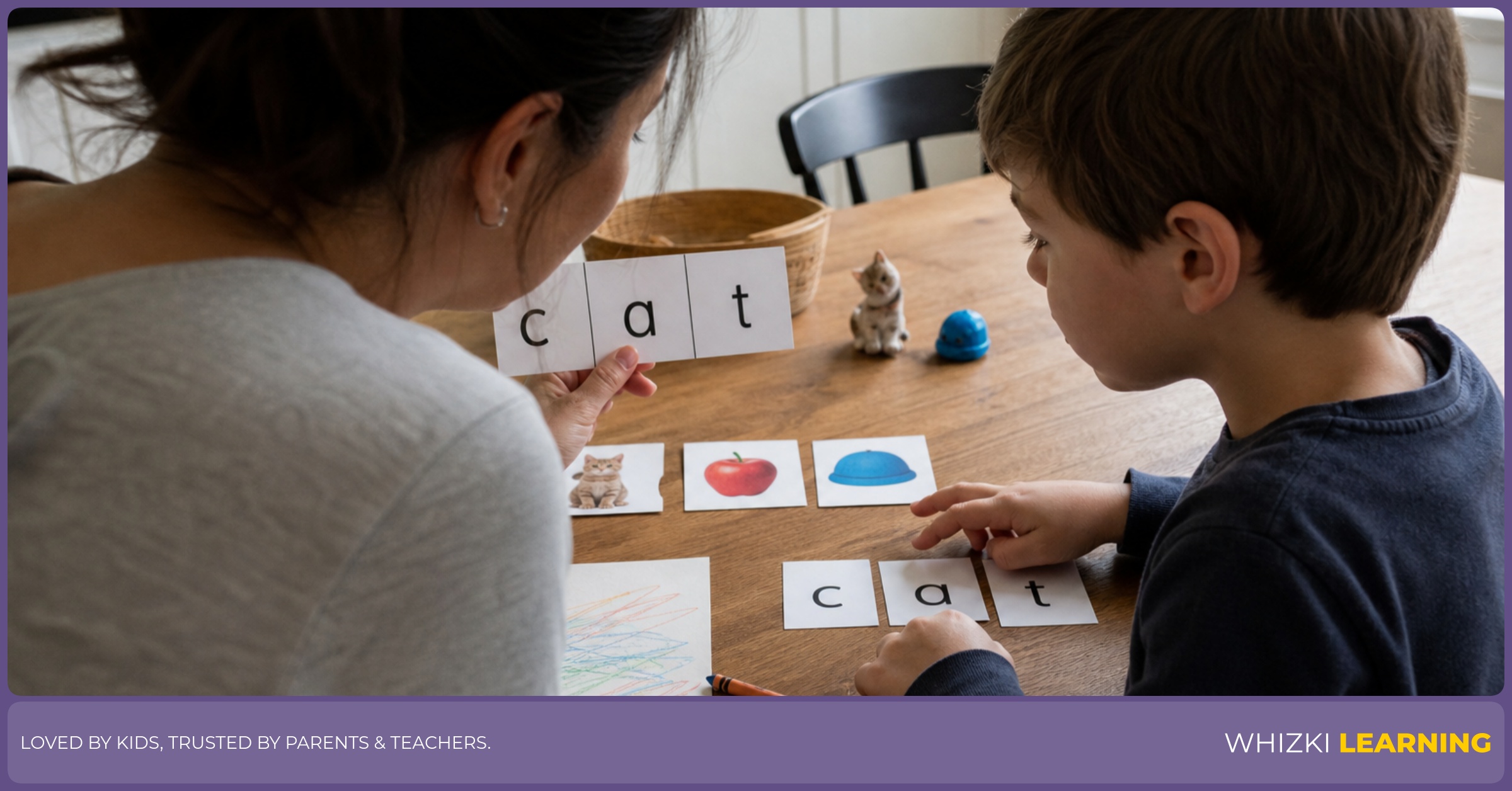
What to do at home without pressure
The best home reading routine for ages 3 to 7 is short, warm, and repeatable. Occupational-therapy basics support keeping the body comfortable first, so a child who is hungry, wiggly, tired, or gripping a pencil too hard may need movement, snack, or a thicker crayon before a reading task.
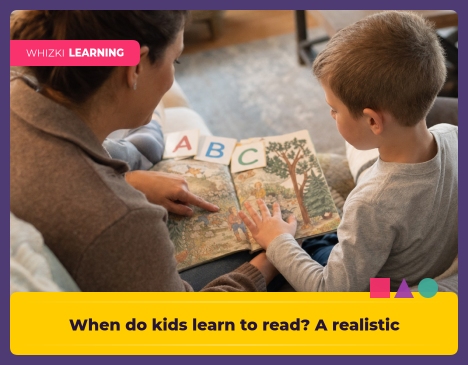
The read-aloud is still the most useful daily anchor. A caregiver can read the same picture book for the fifth time, invite the child to say a repeated line, and pause to ask what might happen next, because language practice feeds later comprehension.
The sound game can be tiny. A parent can say, "I spy something that starts with /m/," clap the beats in banana, or sort two toys by first sound, and the child gets phonemic awareness without a worksheet battle.
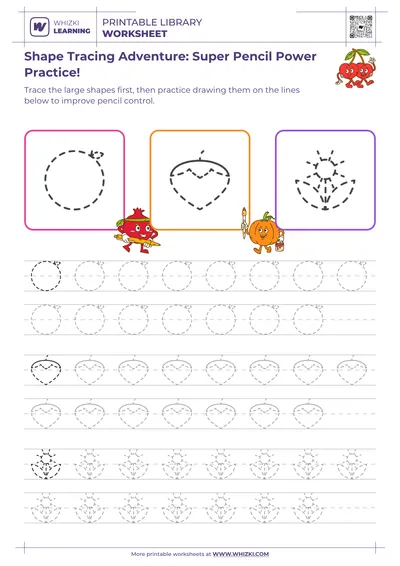
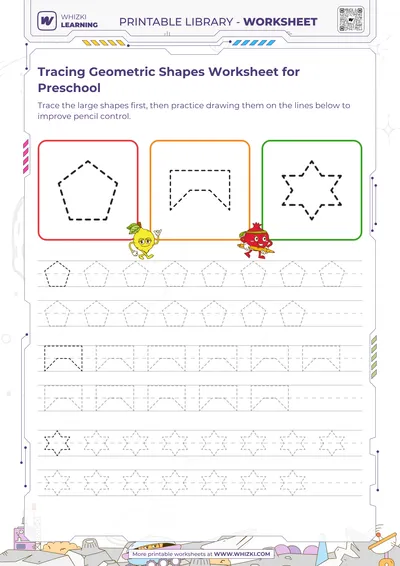
For gentle paper practice, a few letter pages or sound games from our printable library can sit beside read-aloud time. Choose one page, stop before fatigue shows, and treat the paper as practice, not a performance review.
The teacher conversation is worth starting when a child avoids books every day, cannot remember many letter sounds after clear practice, struggles to hear rhymes, or seems unusually frustrated by speech sounds. A pediatrician, speech-language pathologist, reading specialist, or occupational therapist can help sort normal pacing from a skill that needs direct support.
The reading journey from 4 to 7 is allowed to be uneven, and a child can be loved, capable, and still learning the code at a personal pace. If a calm weekly note would help you stay steady, join our weekly newsletter for practical early-literacy ideas.