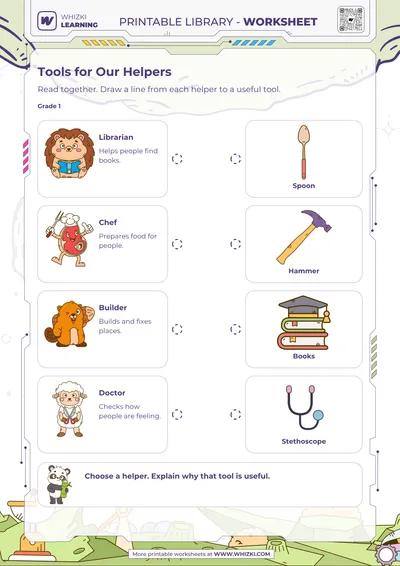
Community helpers → Identify familiar roles → Child points to each helper prompt and names the job shown on the page with adult support.
Job roles → Connect workers to helpful actions → Child explains one simple way a helper supports people in the community.
Social studies vocabulary → Use job words in conversation → Child repeats or says community helper words while discussing the printed prompts.

Four-year-olds often know people who help around town, but the job names can still feel fuzzy. This printable gives you a quiet, screen-free way to work through the community helpers prompts together. Start with the page in front of you, point to one item, and ask, "Who is this?" or "How does this person help?"
This page fits preschoolers who are starting to notice jobs in their neighborhood, school, or daily routines. If your child is not reading yet, that is fine. Read any directions aloud, let them answer by pointing or talking, and keep the pace light if attention starts to fade.
The practice centers on identifying community helpers and using simple job words in conversation. As you move through each prompt, pause for a short talk about what the helper does and where your child might see that helper in real life. If an answer is mixed up, gently model the word and invite a repeat, without turning it into a quiz.
When you finish, bring the idea into your day by noticing helpers during errands, books, or pretend play. For more practice with the same social studies theme, try another community helpers preschool worksheet or use a second community helpers practice page to revisit the words with fresh prompts.
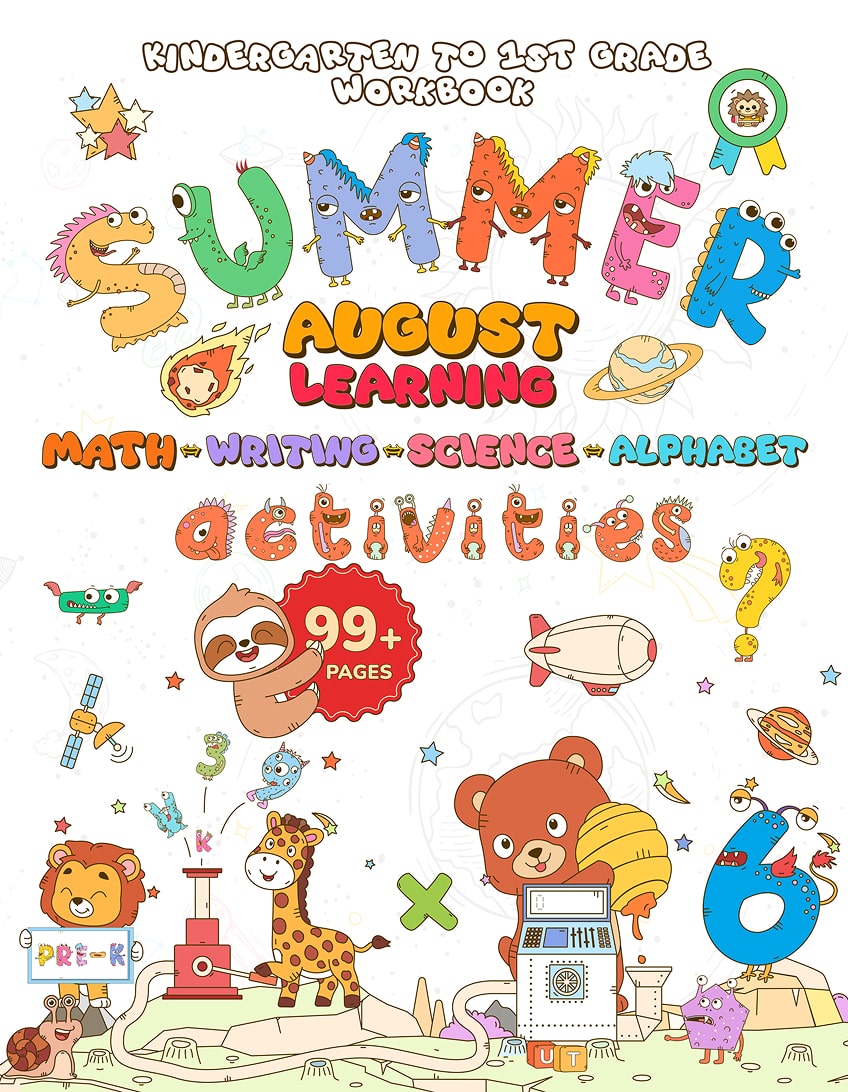
Boost your child’s skills with our discounted workbooks. Engaging activities for preschool, kindergarten, and grade 1 - now at special sale prices!


Fast shipping
Secure Payment
Licensed Teachers
For the planet
Printed in the USA
Helpful guides for parents and teachers, and tips for making learning at home super fun.

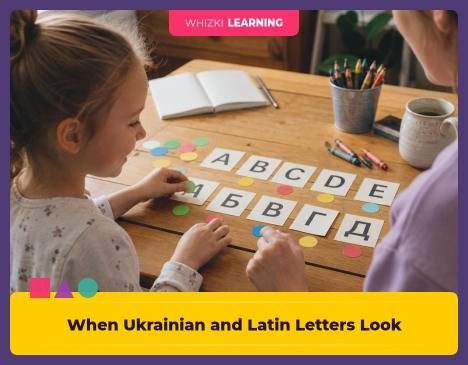
A warm, practical plan for helping ages 3-7 notice Ukrainian and Latin letter look-alikes with color cues, context, and short table routines.

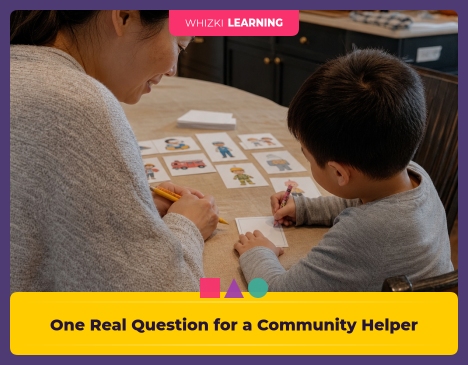
Help children ages 3 to 7 prepare one respectful question for a real community helper using a simple card, quick rehearsal, and honest context.

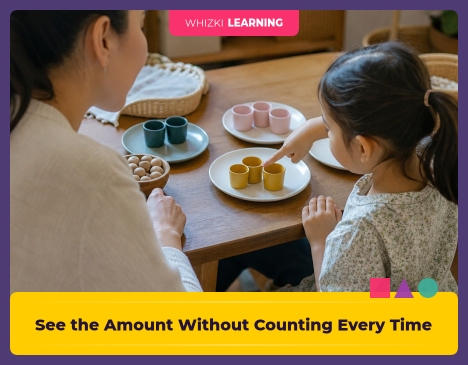
Use cups, plates, or blocks to help children ages 3-7 recognize small amounts without counting each object, in a quick table routine.

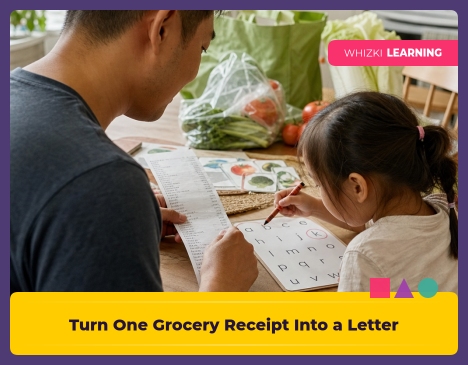
Use a grocery receipt for a short, screen-free letter hunt that compares uppercase and lowercase, spots repeated words, and stops before print feels tiring.
Get exclusive activities, expert tips, and inspiration for a more meaningful, offline family life.