Community helpers → Identify roles → Names helpers and connects each role to a useful job in the neighborhood.
Job vocabulary → Read and discuss terms → Uses helper names and role words during a short parent-child conversation.
Social studies understanding → Connect work to community needs → Explains how a helper supports people, safety, health, or daily life.

Kids can usually name a firefighter or doctor faster than they can explain the job. This first grade social studies page keeps the practice concrete, with a community helpers focus that lets you talk about people who work in a neighborhood and what their jobs do for others.
Use it when your child is ready to read short labels, listen to a simple direction, and answer in a sentence or phrase. Sit nearby and ask, “What job is this?” or “How does this helper help people?” If a word is new, say it slowly, point to the clue on the page, and let your child try again without rushing.
The practice works best as a short conversation, not a quiz. Have your child read or say the helper name, connect it with the job role shown on the page, and explain the match in their own words. For more practice with the same topic, you can follow with this first-grade community helpers activity, which keeps the vocabulary familiar while giving another chance to sort out roles.
After the page is done, bring it into real life. On a walk, in a book, or during errands, ask who is helping and what work they are doing. If your child is still interested, try this community helpers follow-up worksheet to keep the talk going with a fresh printable instead of repeating the same page.
Boost your child’s skills with our discounted workbooks. Engaging activities for preschool, kindergarten, and grade 1 - now at special sale prices!


Fast shipping
Secure Payment
Licensed Teachers
For the planet
Printed in the USA
Helpful guides for parents and teachers, and tips for making learning at home super fun.

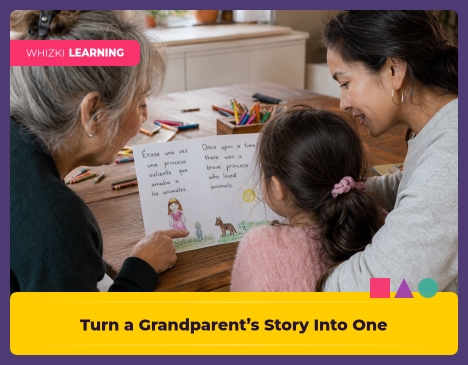
A simple plan for turning one grandparent memory into a bilingual keepsake page with exact words, a child drawing, and clear privacy boundaries.

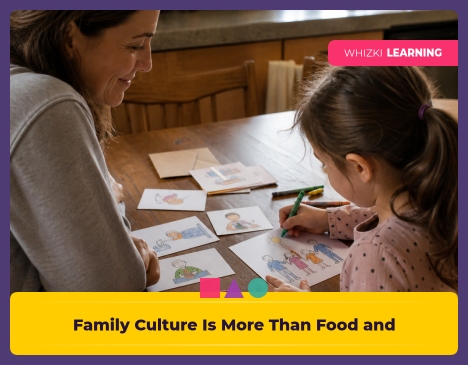
A practical guide for inviting family stories about names, language, music, routines, celebrations, and places without putting children on display.

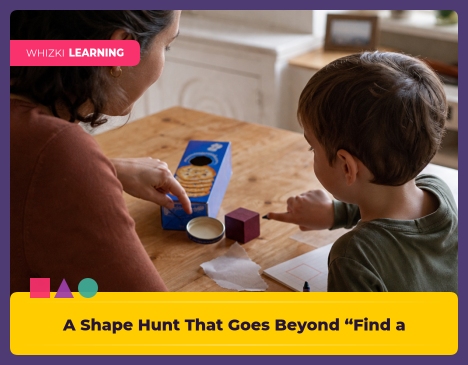
Turn a quick room search into early geometry talk by asking about sides, corners, curves, and shapes inside everyday objects.

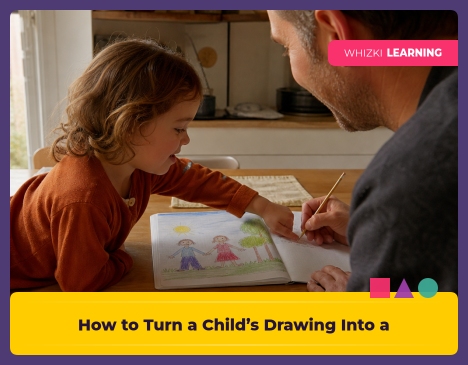
Use a child’s own drawing and spoken words to build a first sentence through adult dictation, shared writing, or optional child writing.
Get exclusive activities, expert tips, and inspiration for a more meaningful, offline family life.