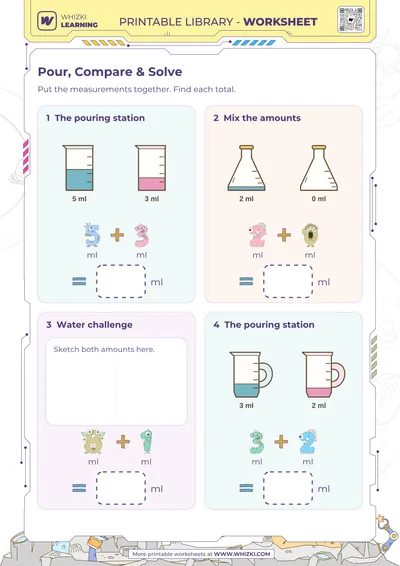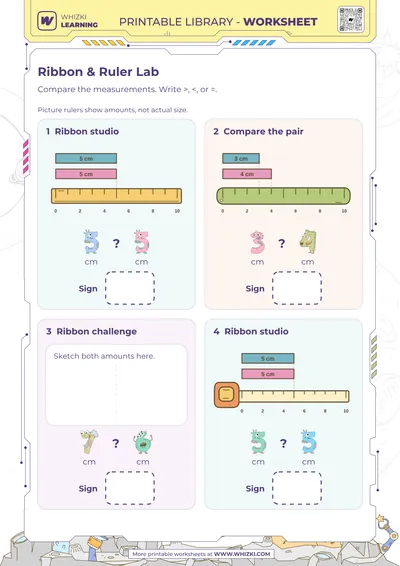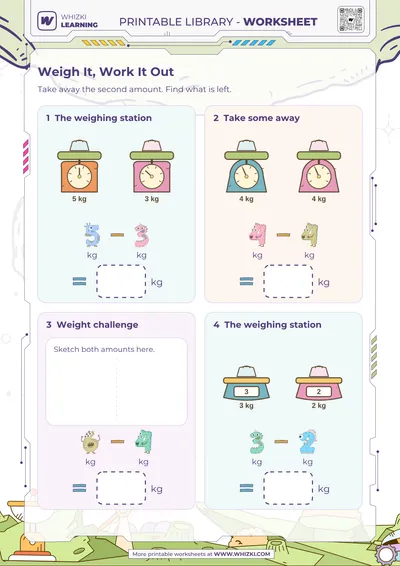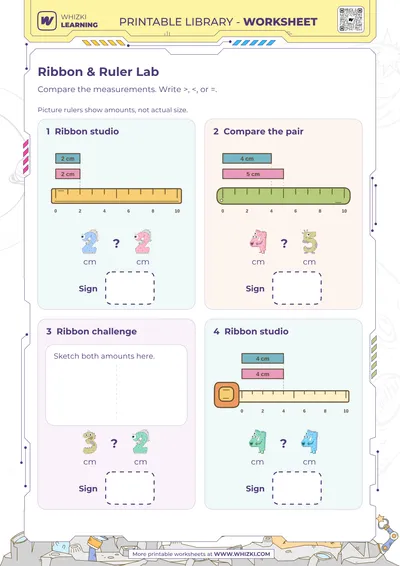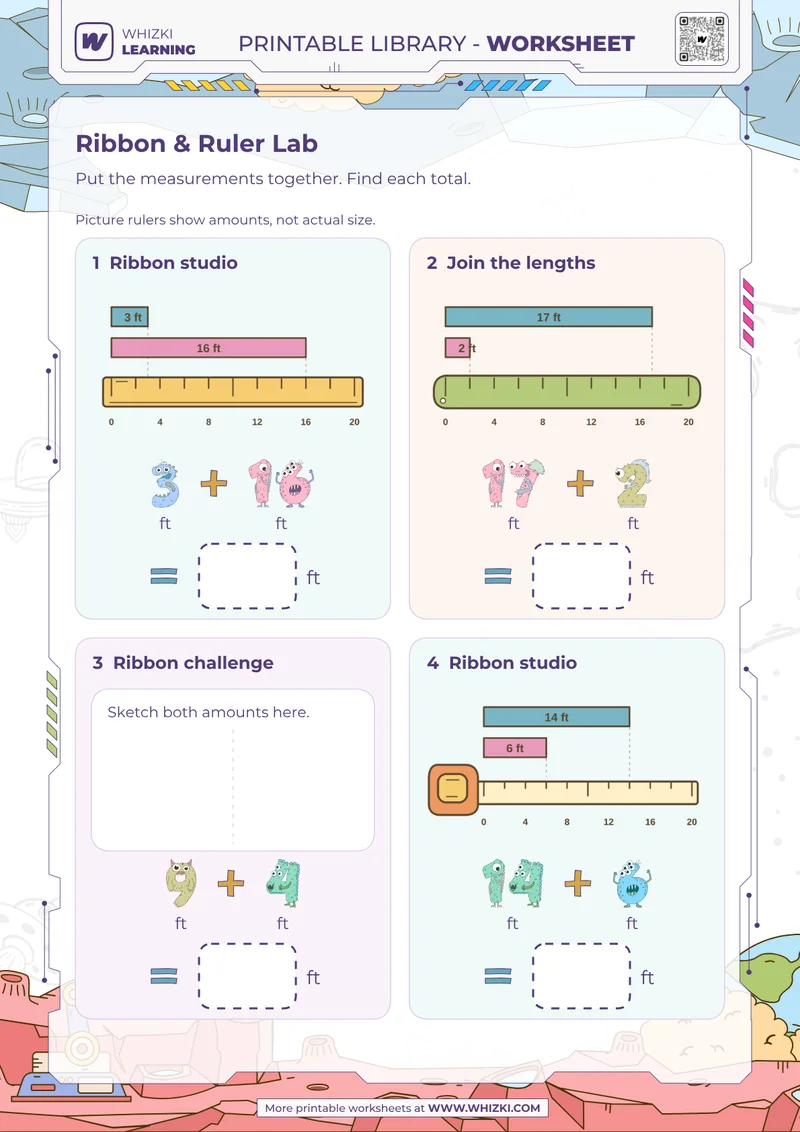


Feet measurements → adding same-unit quantities → record a total that keeps the ft. label with the answer.
Illustrated measurement models → checking sums against pictures → connect written numbers to the shown quantities on the page.
Addition problems in feet → reading each problem carefully → avoid mixing the number with the measurement unit.

Kids may add the numbers correctly and still forget what the unit means. On this page, they solve four addition problems with measurements in feet, using the illustrated measurement models as a visual check. The drawings match the saved quantities, but they are models, not life-size measuring tools.
This is a good fit when a first grader can count on or add small whole numbers and recognize the abbreviation ft. If the unit label is new, point to it first and say “feet” out loud before working. That small pause keeps the focus on same-unit addition instead of guessing from the picture.
Work left to right and have your child read both measurements before writing anything. Then they add the numbers and write the total with ft. Ask, “What unit did both numbers use?” If they hesitate, cover the picture for a moment, solve the number sentence, and then uncover the model to see whether the total makes sense.
After this page, keep the next step close to the same skill. The pound addition measurement worksheet keeps the addition routine while changing the unit label, and the centimeter addition measurement worksheet gives extra length practice with a smaller unit.
Boost your child’s skills with our discounted workbooks. Engaging activities for preschool, kindergarten, and grade 1 - now at special sale prices!


Fast shipping
Secure Payment
Licensed Teachers
For the planet
Printed in the USA
Helpful guides for parents and teachers, and tips for making learning at home super fun.

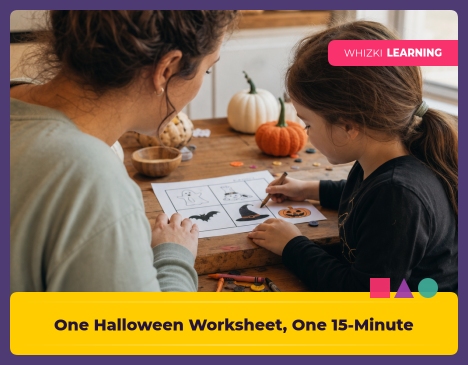
Use one Halloween worksheet in a calm 15-minute flow: preview, try, talk with objects, then stop and store, with age adjustments for preschool and kindergarten.

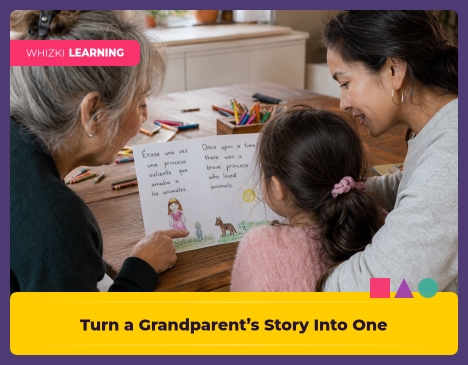
A simple plan for turning one grandparent memory into a bilingual keepsake page with exact words, a child drawing, and clear privacy boundaries.

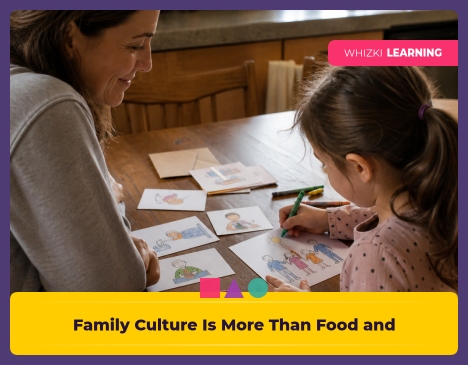
A practical guide for inviting family stories about names, language, music, routines, celebrations, and places without putting children on display.

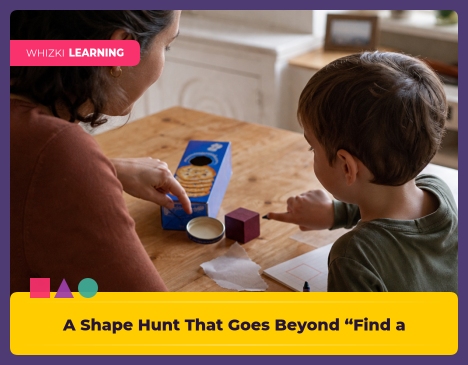
Turn a quick room search into early geometry talk by asking about sides, corners, curves, and shapes inside everyday objects.
Get exclusive activities, expert tips, and inspiration for a more meaningful, offline family life.