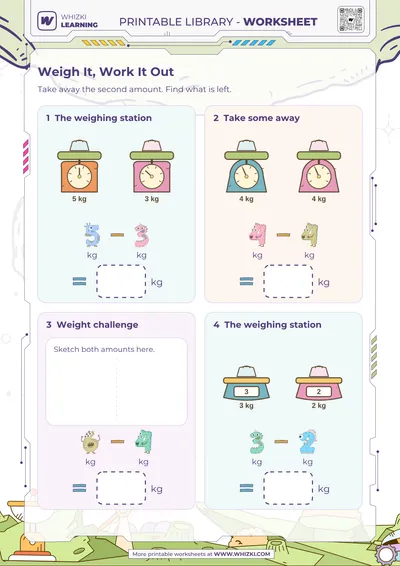
Kilogram subtraction measurement worksheet → Subtract kilogram amounts → Children find remaining quantities using pictures and written numbers.
Kindergarten measurement activity → Compare unit-labeled quantities → Children decide which amount is larger before solving subtraction problems.
Picture model math page → Connect kg labels to quantities → Children explain answers with simple measurement language.

The kilogram subtraction measurement worksheet is one printable math page with four subtraction problems written in kg. Each problem pairs a shown quantity with an illustrated ruler, scale, or measuring container, so children connect kilogram units with taking away and finding what remains.
Five-year-olds often understand take away during snack time, then stall when a unit label appears beside a number. Kindergarten practice with units and comparison helps children notice which quantity is larger, which quantity is being subtracted, and how the answer keeps the kg label.
Sit beside your child and cover the answer space with a finger. Read one problem aloud, point to the matching picture model, ask, "How many kg are at the start, and how many kg go away?" Then let your child write the remaining kilograms before moving to the next problem.
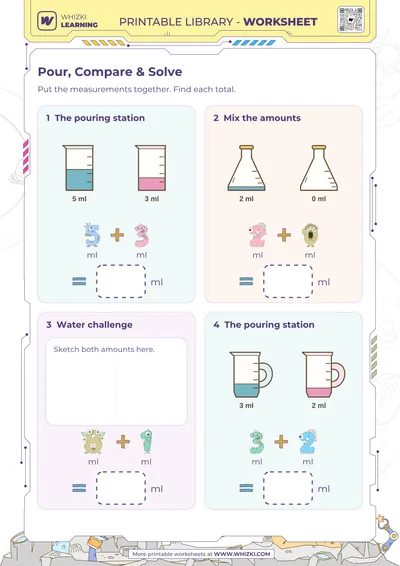
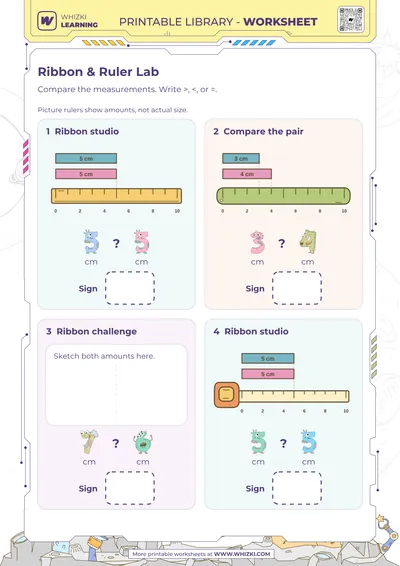
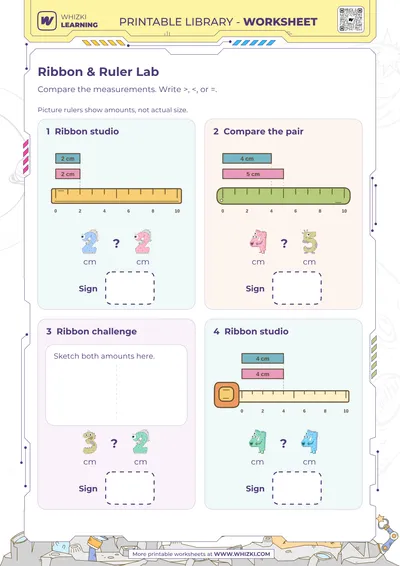
The worksheet stays small on purpose. Four problems give enough practice without turning measurement into a long sit-down task, and the matching art gives parents a natural talking point. The pictures are models, not life-size measuring tools, so the printed page supports thinking about quantities rather than real measuring.
Boost your child’s skills with our discounted workbooks. Engaging activities for preschool, kindergarten, and grade 1 - now at special sale prices!


Fast shipping
Secure Payment
Licensed Teachers
For the planet
Printed in the USA
Helpful guides for parents and teachers, and tips for making learning at home super fun.

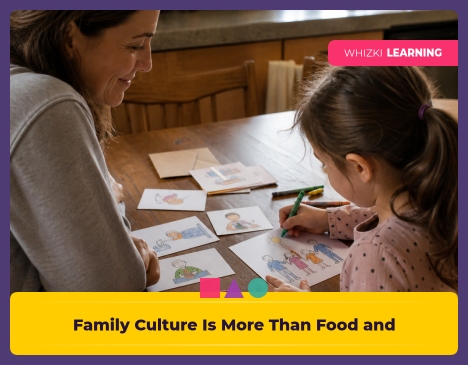
A practical guide for inviting family stories about names, language, music, routines, celebrations, and places without putting children on display.

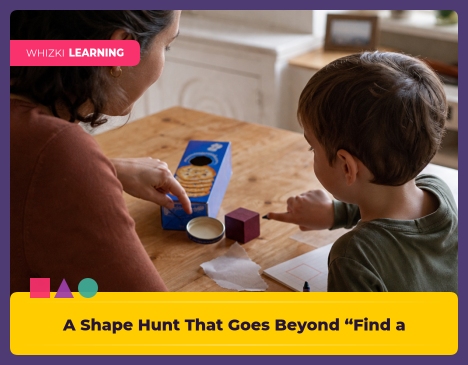
Turn a quick room search into early geometry talk by asking about sides, corners, curves, and shapes inside everyday objects.

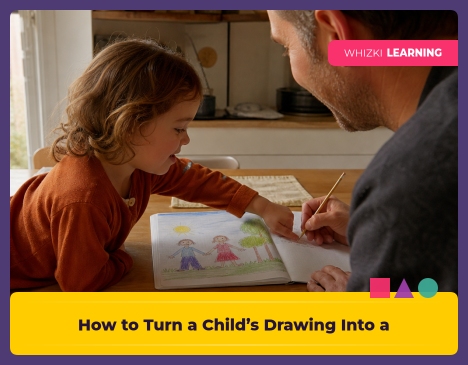
Use a child’s own drawing and spoken words to build a first sentence through adult dictation, shared writing, or optional child writing.

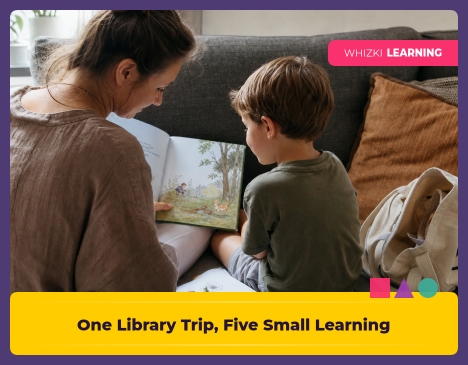
Turn one borrowed book into five short learning moments for ages 3 to 7, with choosing, rereading, drawing, counting, memory, and returning.
Get exclusive activities, expert tips, and inspiration for a more meaningful, offline family life.