Ten frames → Count two parts within ten → Identifies number pairs that fill one complete group of ten.
Kindergarten math practice → Trace and write number facts → Records make-ten combinations using the provided writing fields.
Make-ten models → Compare parts and whole → Explains that two numbers can join to make ten.

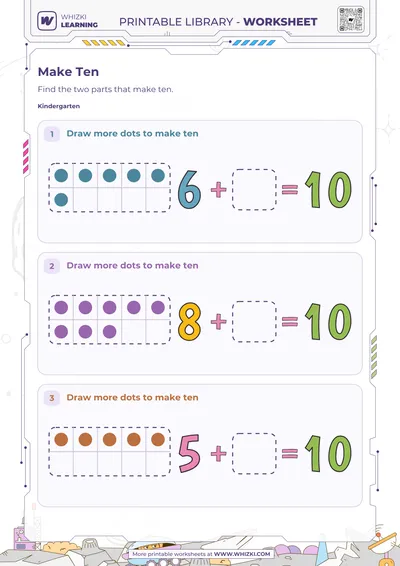
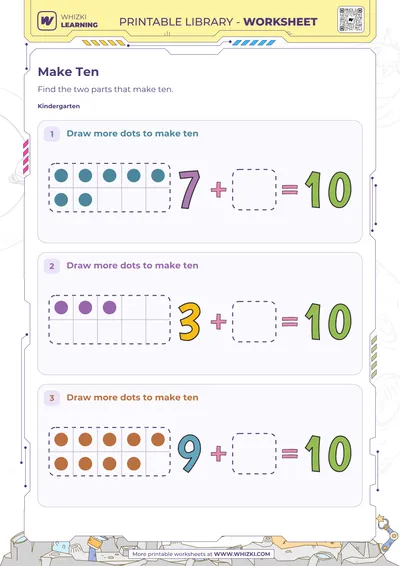
Kids often stall when numbers feel like marks on a page instead of things they can see. This printable gives them three clear ten-frame models for making ten: two and eight, one and nine, and six and four. They can count the two parts, notice the full frame, and use the writing fields to record the numbers.
This page is a good fit when a child can count small groups and is beginning to connect counting with addition. Sit together with a pencil, and let them touch or point as they count. If they rush, slow it down with simple language: “How many are in the first part? How many are in the second part? How many spaces are filled altogether?”
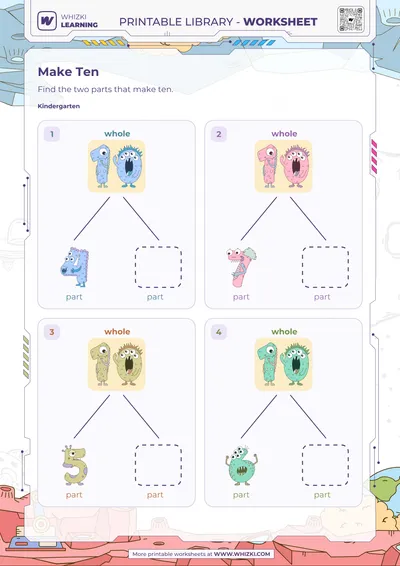
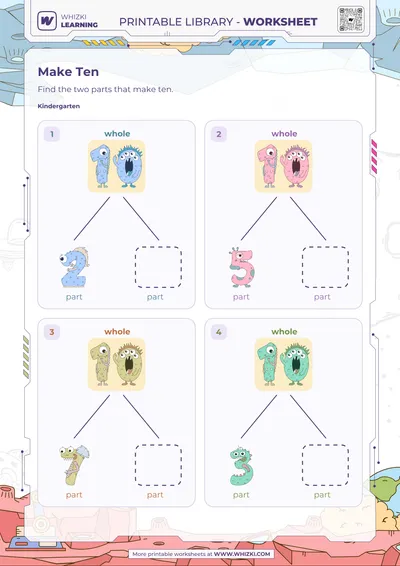
The practice works because the frame keeps ten visible the whole time. Instead of guessing, a child can compare the two parts and see that they fill one whole ten. For extra support after this page, the number bonds within 10 puzzle worksheet keeps the same part-and-whole idea in a different format.
After finishing, ask your child to read each make-ten fact back to you in words, such as “two and eight make ten.” If they are ready for more mixed practice, the addition and subtraction practice worksheet gives another off-screen page for working with related facts. Keep it light, one careful line is better than a rushed page.
Boost your child’s skills with our discounted workbooks. Engaging activities for preschool, kindergarten, and grade 1 - now at special sale prices!


Fast shipping
Secure Payment
Licensed Teachers
For the planet
Printed in the USA
Helpful guides for parents and teachers, and tips for making learning at home super fun.

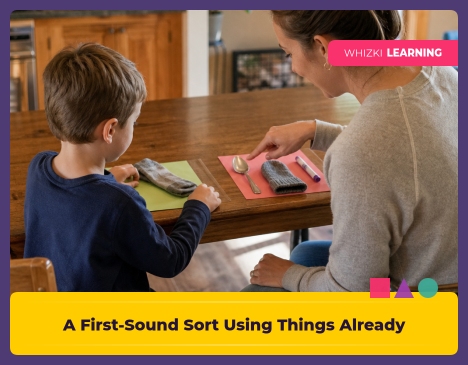
Use two clear starting sounds and a handful of safe objects to build a five-minute sound sort that keeps letter names from getting in the way.

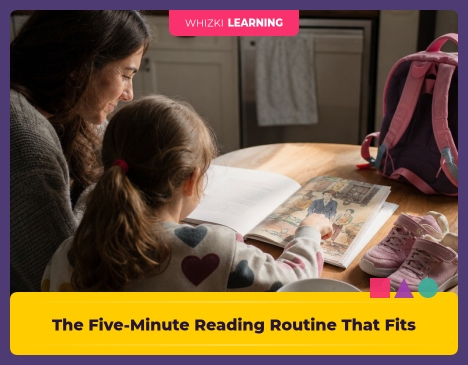
A tiny before-school reading routine using one familiar book, one chosen page, one small literacy job, and a clear stop for ages 3 to 7.

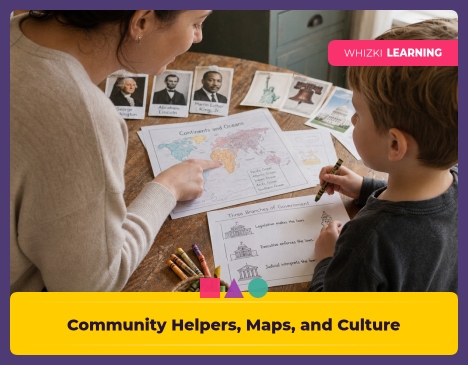
A field note on reviewing early social studies printables for fair job pictures, simple maps, real culture, matching labels, and kid-clear directions.

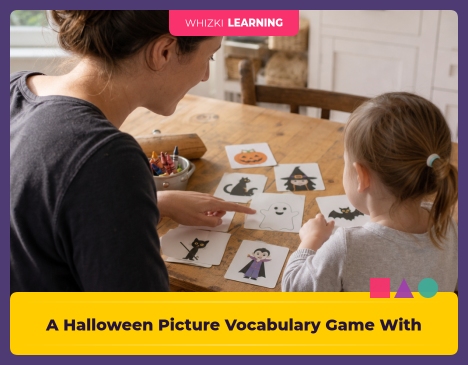
Use six friendly Halloween pictures for naming, first-sound sorting, describing, and a tiny story, with a nonreading option for ages 3-7.
Get exclusive activities, expert tips, and inspiration for a more meaningful, offline family life.