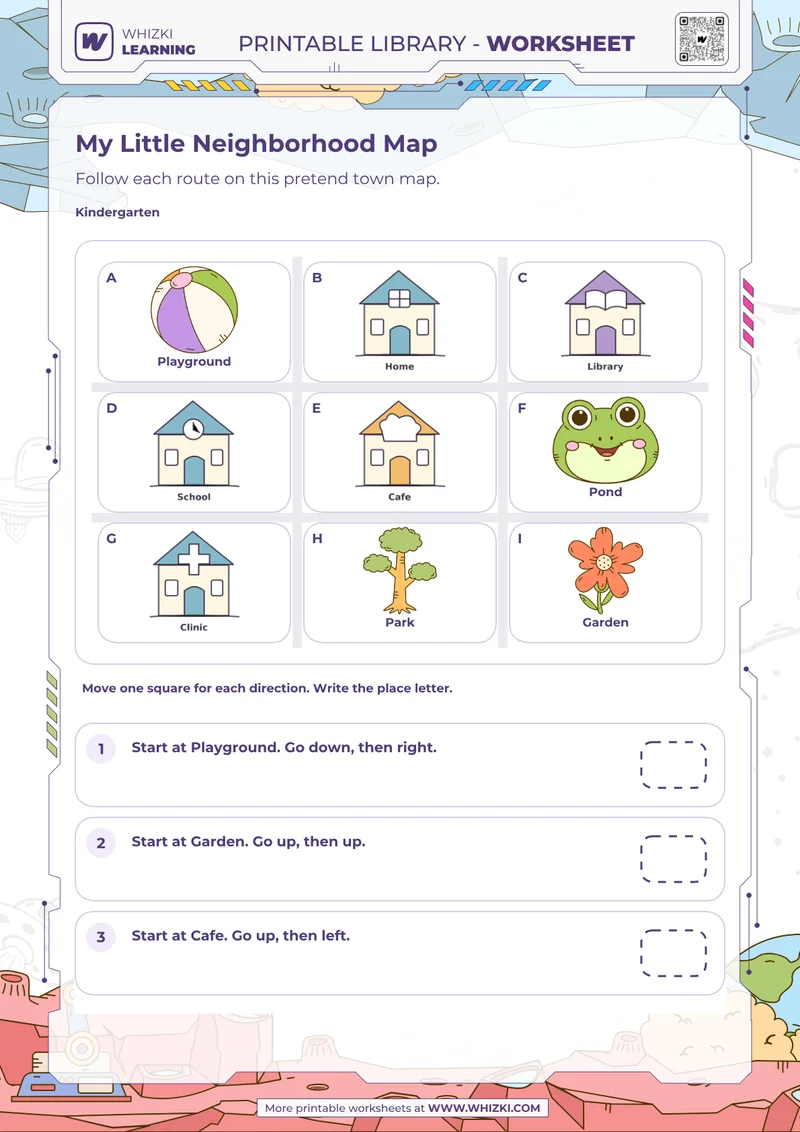


Locate a named starting place on a 3-by-3 map grid.
Follow 2 successive position-word moves per route without jumping diagonally.
Record the destination letter and check it by retracing the route from its start.

This neighborhood map worksheet uses a 3-by-3 grid of pretend places and 3 short routes. Follow each direction by moving one square from the named starting place. Write the destination’s letter in the answer space. Read the place labels together before trying the first route.
For the first route: Start at Playground, go down, then right, and reach Cafe (E). Keep a finger on the current square and make one move at a time. The directions use up, down, left, and right as shown on the page. Each new route begins again at its own named starting place, not where the previous route ended.
A diagonal jump does not count as one of the printed moves. Keep the page in the same orientation, and trace the route before recording an answer. If the destination seems wrong, return to the starting place and repeat each direction slowly. This is a pretend grid for following instructions; it does not give real street distances or directions for an outing.
Explore the maps and geography collection for related practice. The Kindergarten Social Studies set offers other illustrated activities. Work through a few examples with time to explain a choice. After checking the page, try one spoken example using a familiar place, activity, or object while keeping the same skill in focus.
Boost your child’s skills with our discounted workbooks. Engaging activities for preschool, kindergarten, and grade 1 - now at special sale prices!


Fast shipping
Secure Payment
Licensed Teachers
For the planet
Printed in the USA
Helpful guides for parents and teachers, and tips for making learning at home super fun.

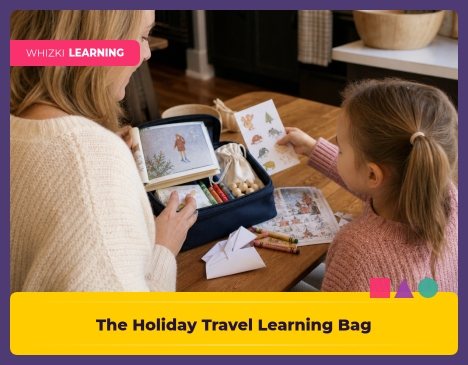
A calm six-item travel bag for ages 3-7, with one book, paper, crayons, cards, manipulatives, and a printed page for real holiday waiting.

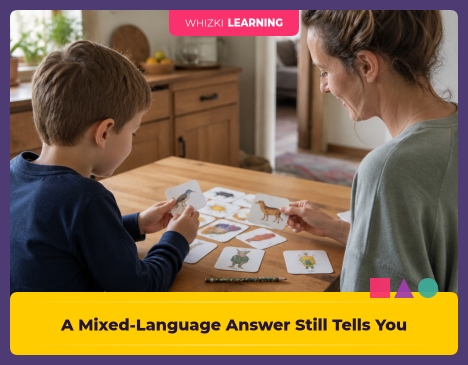
Mixed-language answers can show knowledge, vocabulary gaps, or a form still forming. Learn a warm recast routine that teaches without shaming.

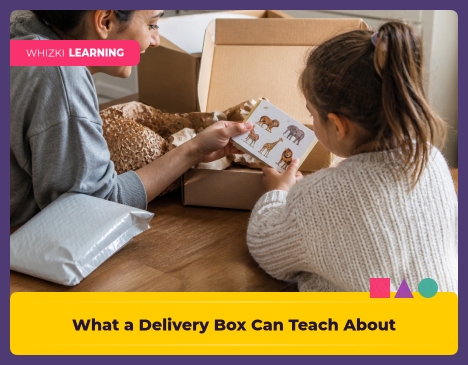
Turn a delivery box into a quick materials investigation for ages 3-7, comparing cardboard, paper, plastic, and padding through touch, water, and reuse choices.

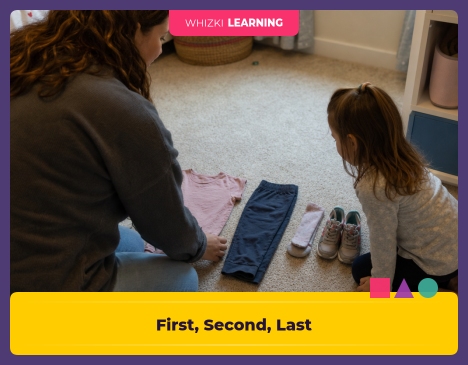
Use a three-to-five minute dressing, table-setting, or toy-line routine to teach first, second, middle, and last without turning math into a worksheet.
Get exclusive activities, expert tips, and inspiration for a more meaningful, offline family life.