Map and geography page → Direction following → Child listens to each prompt, scans the page, and marks a response with adult support.
Preschool social studies practice → Place language → Child talks about locations, nearby clues, and how places relate on the printed page.
Printable geography activity → Careful observation → Child points before answering, checks page details, and explains one clue in simple words.

Kids can stall when maps feel like grown-up tools. Start by sitting together and reading the printed directions out loud. Let your child point, name what they notice, and complete each prompt with a pencil or crayon. The goal is simple map and geography practice in a short off-screen moment.
This page fits a 5-year-old who is ready to listen to a short direction, look across a printed page, and mark a response. If attention runs short, cover part of the page with another sheet of paper. Do one prompt, take a stretch break, and come back when it feels easier.
Map and geography practice grows from noticing where something is, how places relate, and what clues the page gives. Ask, "Where would you look first?" or "What clue helped you?" If you want another nearby practice page after this one, try this preschool maps and geography worksheet because it keeps the same subject familiar while giving you a fresh page to discuss.
Stay close, but let the thinking happen before you step in. If an answer is unclear, have your child point to the part of the page that helped. For a follow-up later in the week, use another maps and geography printable to revisit place words and map clues without starting a whole new topic.
Boost your child’s skills with our discounted workbooks. Engaging activities for preschool, kindergarten, and grade 1 - now at special sale prices!


Fast shipping
Secure Payment
Licensed Teachers
For the planet
Printed in the USA
Helpful guides for parents and teachers, and tips for making learning at home super fun.

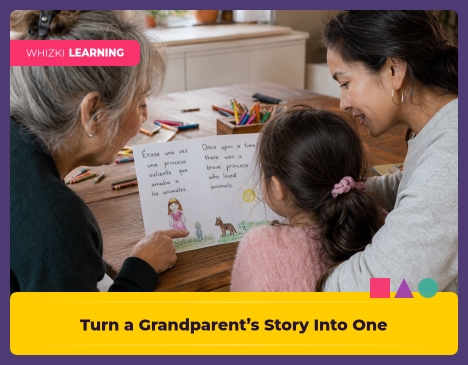
A simple plan for turning one grandparent memory into a bilingual keepsake page with exact words, a child drawing, and clear privacy boundaries.

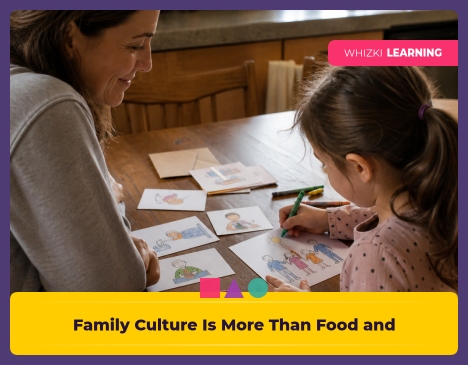
A practical guide for inviting family stories about names, language, music, routines, celebrations, and places without putting children on display.

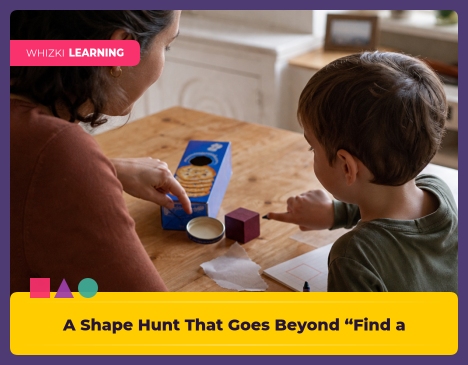
Turn a quick room search into early geometry talk by asking about sides, corners, curves, and shapes inside everyday objects.

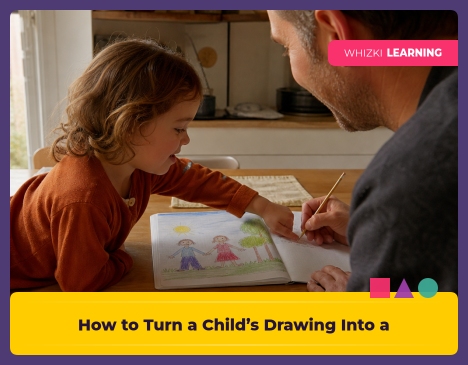
Use a child’s own drawing and spoken words to build a first sentence through adult dictation, shared writing, or optional child writing.
Get exclusive activities, expert tips, and inspiration for a more meaningful, offline family life.