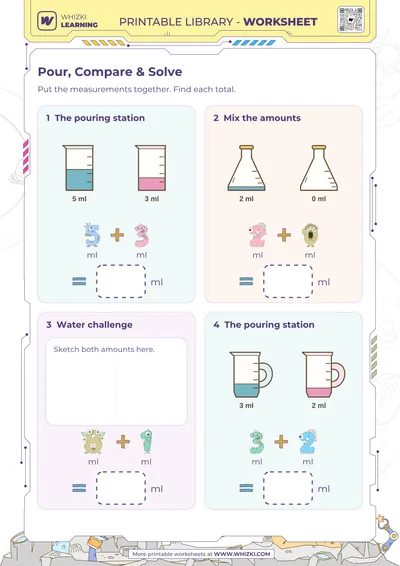
Milliliter amounts → Add two measured quantities → Find a total volume while keeping the correct unit with the answer.
Measurement pictures → Match models to saved quantities → Connect written milliliter problems with visual representations of volume.
First grade math facts → Compare unit-labeled quantities → Build confidence reading and writing answers that include ml.

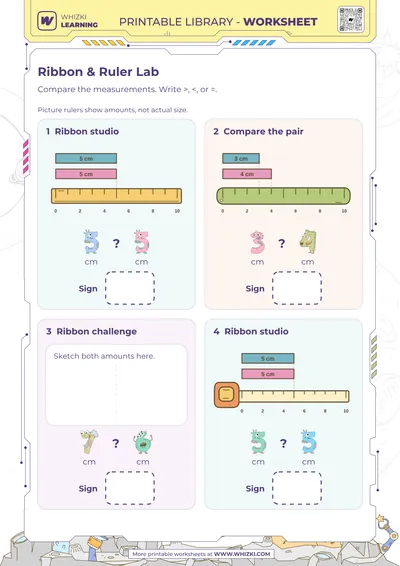
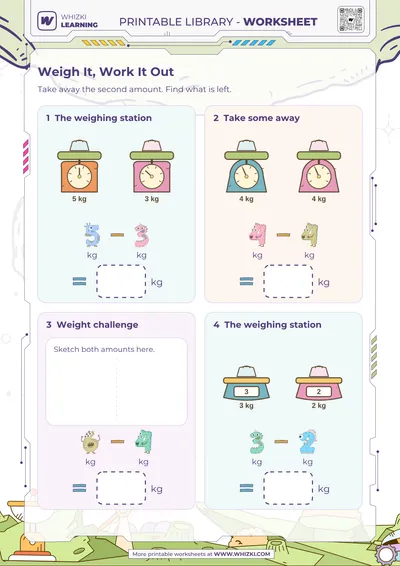
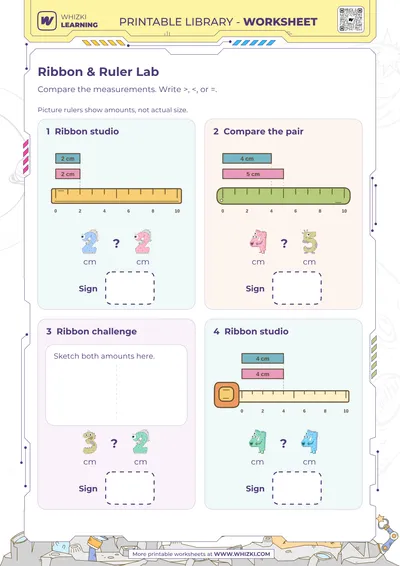
The Milliliter Addition Measurement Worksheet is a one-page printable for 1st grade math practice. The page asks children to solve four addition problems in milliliters while looking at illustrated measuring containers, rulers, or scales that match the saved quantities.

Measurement starts to feel more real around age seven, but kids often rush past the unit or treat every number the same. Adding milliliters helps children connect number facts with liquid volume, so an answer like 40 ml feels different from a plain 40.
A parent or teacher can sit beside the child and read each problem aloud before any writing begins. Ask the child to point to the picture, say the two milliliter amounts, add the amounts, and write the full answer with ml at the end.
The worksheet is useful because the pictures support the math without pretending to be life-size measuring tools. The four problems keep the page manageable, and the matching models give children a visual check while still requiring real addition and unit awareness.
Boost your child’s skills with our discounted workbooks. Engaging activities for preschool, kindergarten, and grade 1 - now at special sale prices!


Fast shipping
Secure Payment
Licensed Teachers
For the planet
Printed in the USA
Helpful guides for parents and teachers, and tips for making learning at home super fun.

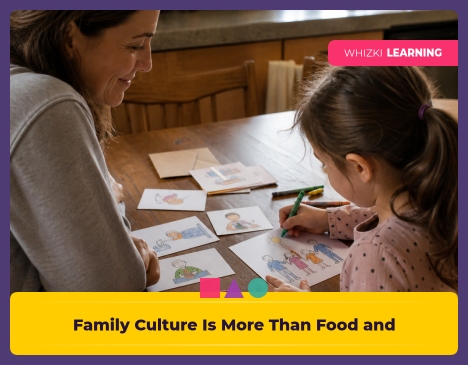
A practical guide for inviting family stories about names, language, music, routines, celebrations, and places without putting children on display.

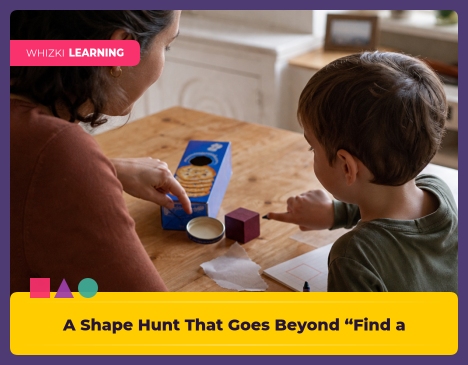
Turn a quick room search into early geometry talk by asking about sides, corners, curves, and shapes inside everyday objects.

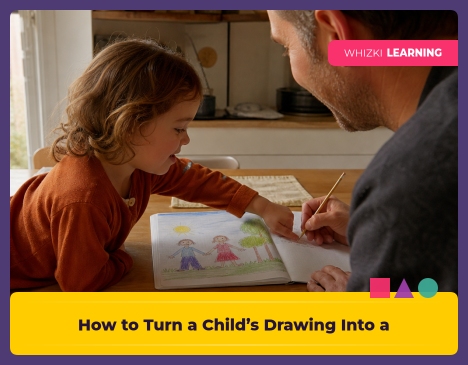
Use a child’s own drawing and spoken words to build a first sentence through adult dictation, shared writing, or optional child writing.

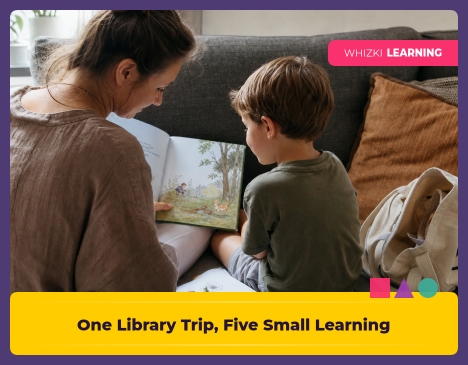
Turn one borrowed book into five short learning moments for ages 3 to 7, with choosing, rereading, drawing, counting, memory, and returning.
Get exclusive activities, expert tips, and inspiration for a more meaningful, offline family life.