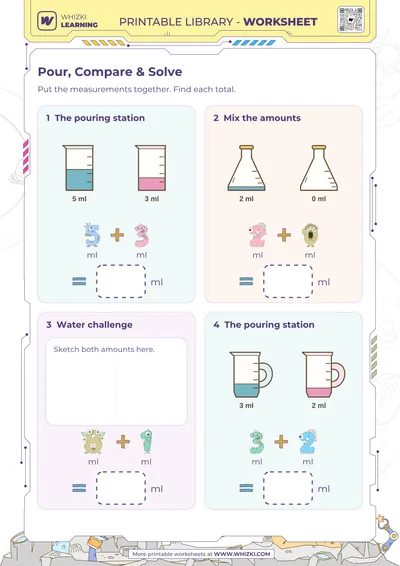
Pint quantities → Add measurements in the same unit → Write totals in pt without changing the unit label.
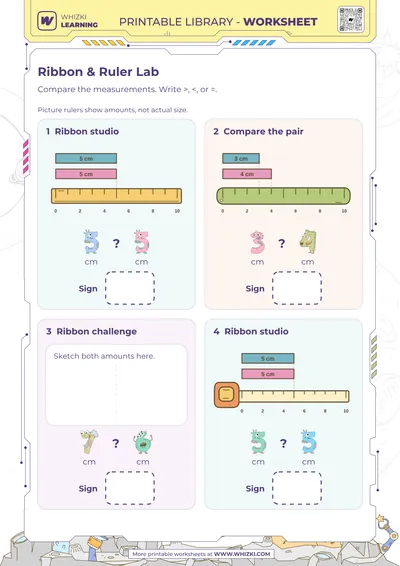
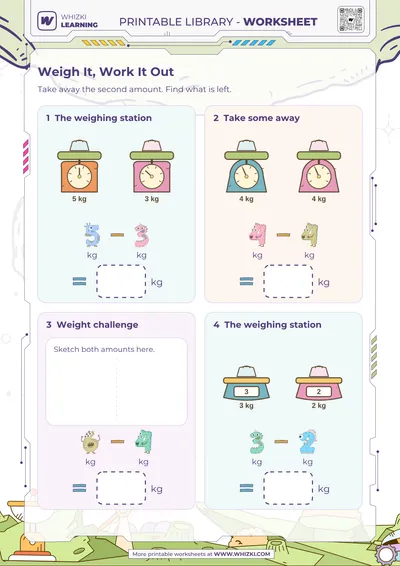
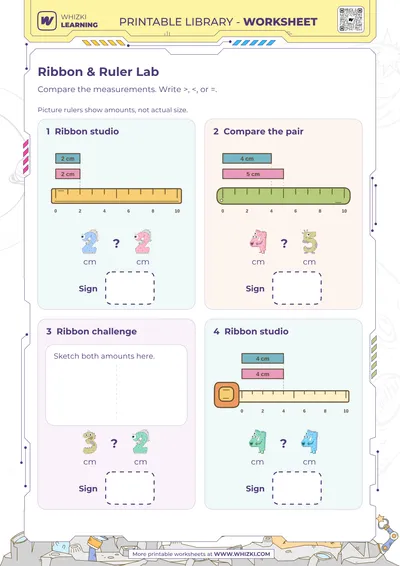
Picture models → Match shown quantities to written problems → Check that each sum fits the shown measurement.
Four addition problems → Compare amounts before and after adding → Notice how the number changes while pt stays the same.

Kids may know an addition fact and still pause when a unit label is attached. This printable page gives four measurement addition problems in pt, with illustrated containers, rulers, or scales that match the saved quantities. The pictures are there as models, not life-size measuring tools.
This page fits a first grader who can add small quantities and is ready to pay attention to units. If your child is still slow with facts, that is okay. Let them count aloud, use fingers or counters, and point to the unit before writing the answer.
The practice works best when you keep the routine simple. Read each problem, add the quantities, and keep the same unit label in the answer. Then compare the written total with the model on the page. That quick check asks them to notice both the number and the measurement unit.
Sit nearby for the first problem and ask, “What are we adding?” and “What unit will our answer use?” After this page, you can keep the same idea with a different unit using feet addition measurement practice, which shifts the work to length. For another liquid measurement contrast, try milliliter addition measurement practice so your child can compare how another unit is written and added.
Boost your child’s skills with our discounted workbooks. Engaging activities for preschool, kindergarten, and grade 1 - now at special sale prices!


Fast shipping
Secure Payment
Licensed Teachers
For the planet
Printed in the USA
Helpful guides for parents and teachers, and tips for making learning at home super fun.

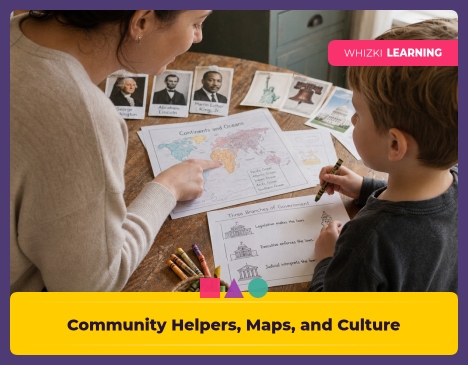
A field note on reviewing early social studies printables for fair job pictures, simple maps, real culture, matching labels, and kid-clear directions.

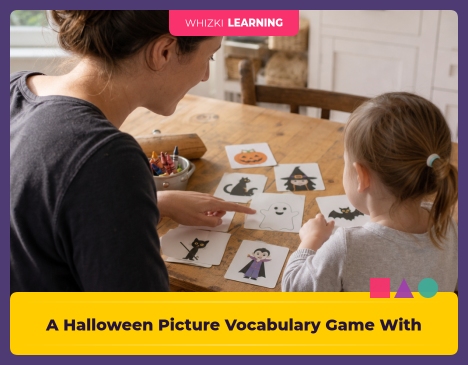
Use six friendly Halloween pictures for naming, first-sound sorting, describing, and a tiny story, with a nonreading option for ages 3-7.

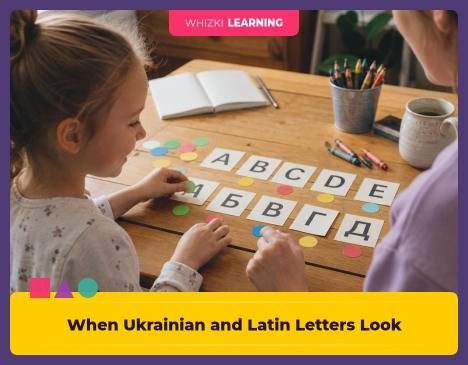
A warm, practical plan for helping ages 3-7 notice Ukrainian and Latin letter look-alikes with color cues, context, and short table routines.

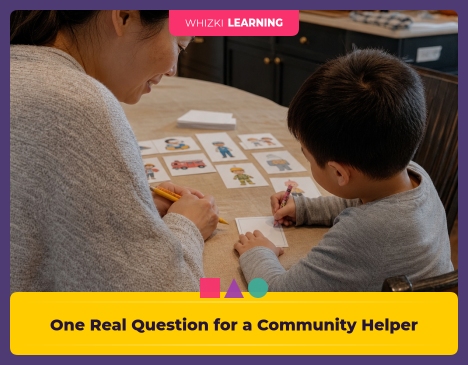
Help children ages 3 to 7 prepare one respectful question for a real community helper using a simple card, quick rehearsal, and honest context.
Get exclusive activities, expert tips, and inspiration for a more meaningful, offline family life.