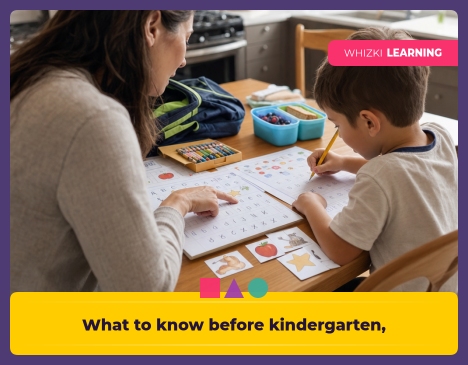
If kindergarten prep has turned into a late-night worry loop, pick one daily skill today, such as opening a lunch container or following a two-step direction, and practice for five calm minutes. Kindergarten teachers I work with care far more about independence, listening, and workable hands than early reading. A child who can try, ask for help, and recover from a small mistake usually has a smoother first month.
Reviewed by Whizki Editorial Team, Early Childhood Education Editors.
What kindergarten teachers rank first
The teacher-survey answer is surprisingly practical: kindergarten teachers usually rank self-care first, listening habits second, hand skills third, name recognition fourth, and early academics after those basics. NAEYC guidance lines up with that classroom view because young children learn best when school feels predictable, social, and hands-on. The first month of kindergarten runs on backpacks, bathrooms, group directions, scissors, crayons, and a child knowing which cubby label belongs to the child.
The ranking does not mean letters and numbers are unimportant. The ranking means reading is not the entrance ticket, because kindergarten teachers expect a wide range of readers, talkers, builders, and observers. For a broader parent walk-through, the complete readiness guide explains how school readiness grows across social, motor, language, and early academic skills.
The most useful summer plan is a small rotation, not a big workbook stack. Practice one life skill, one listening game, one hand-strength activity, and one name or book routine across the week. If a parent wants a quick gut check, the printable readiness checklist can help a family notice strengths without turning the kitchen table into a test center.
Rank 1: self-care and routines
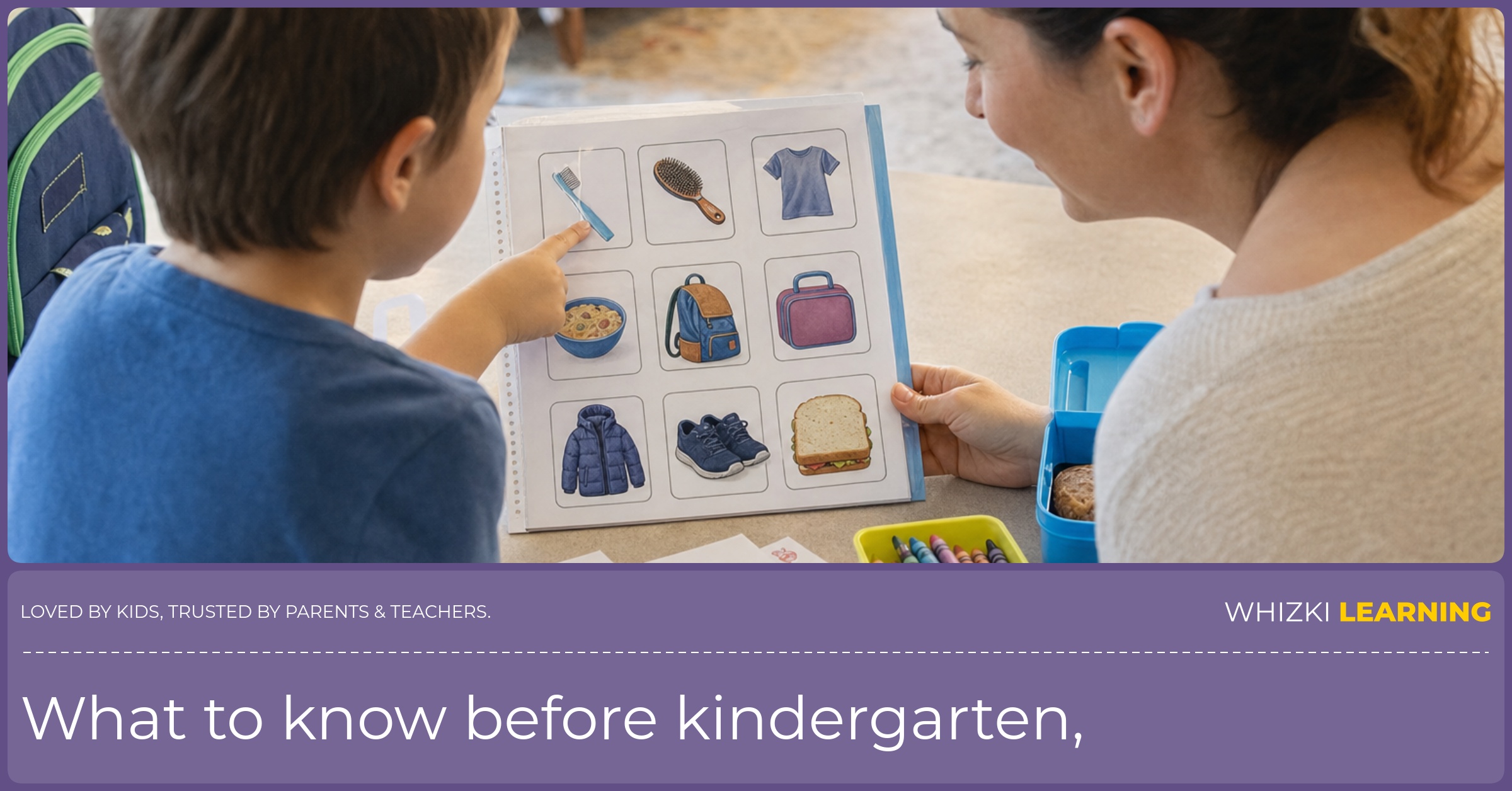
Kindergarten teachers notice self-care first because self-care affects nearly every transition in the school day. A child who can hang a backpack, manage a jacket, open a snack, wash hands, and ask for bathroom help can join classroom life with less adult rescue. Occupational-therapy basics call these functional routines, and functional routines often matter more in September than knowing a long list of sight words.
The summer practice idea is the five-minute launch routine. Put a backpack near the door, place a lunch container on the table, and invite the child to pack one item, zip the bag, carry the bag, and unpack the item. A parent can add one friendly script, such as “I can try first, then I can ask,” because independence grows faster when a child has words for help.
The matching printable is a picture-based morning or backpack checklist. A simple checklist from our printable library lets a child point, mark, or cover each step without needing to read every word. The best checklist for a 3 to 7 year old uses clear pictures, a short sequence, and enough white space for little eyes to track the next job.
Rank 2: listening and group habits
Kindergarten teachers rank listening habits near the top because classroom directions come in tiny chains all day. A child hears “put the paper in the basket, then sit on the rug,” and the child has to hold the words long enough to act. Speech-language pathology practice often builds that skill through playful one-step and two-step directions before expecting long verbal instructions.
The summer practice idea is a silly direction game. Ask the child to touch a spoon, then jump once, or place a crayon under a napkin, then clap softly. The game should feel playful, because Reggio-inspired teaching values observation and relationship before correction, and a parent can learn a lot by watching which part of the direction gets lost.
The matching printable is a two-step direction card set. The parent reads one card, the child acts out the card, and the parent celebrates the effort before adding a harder card. The goal is not perfect compliance; the goal is hearing words, holding words, and learning how to ask, “Can you say that again?”
Rank 3: scissors, pencil, and glue
Kindergarten teachers rank hand skills high because paper work, art, science journals, and classroom cleanup all ask for small muscles. Occupational-therapy heuristics usually start with posture, shoulder stability, hand strength, and tool safety before worrying about perfect handwriting. A child who can snip, pinch, squeeze, peel, press, and wipe has more stamina for school tasks.
The summer practice idea is a “snip and stick” tray. Offer scrap paper strips, child-safe scissors, a glue stick, and a blank page, then invite the child to snip pieces and glue a collage. A parent can watch for safe thumb-up scissors, relaxed shoulders, and a helper hand that turns the paper.
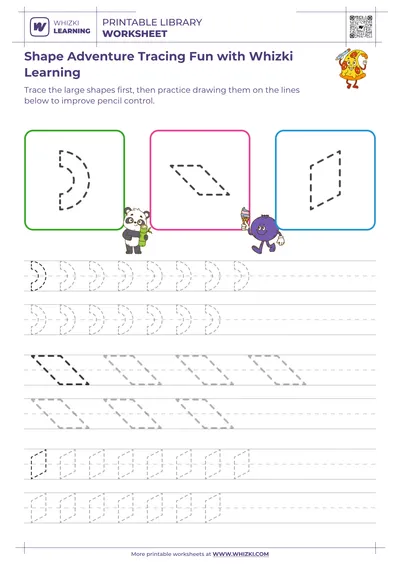
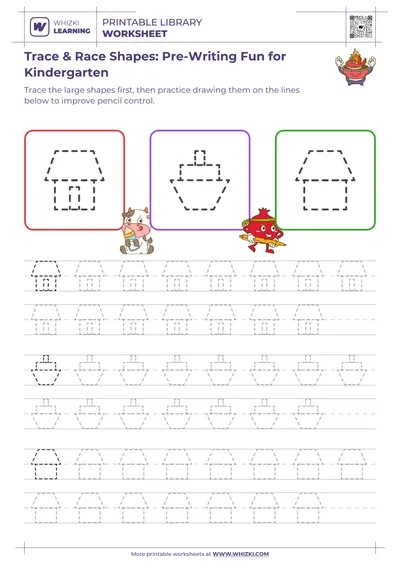
The matching printable is a cutting-strip page with thick paths and roomy targets. Straight lines, gentle curves, and big stop signs give a young hand a clear place to begin and end. If scissors create daily tears, hand pain, or unsafe motions, a pediatric occupational therapist can give specific help that a printable cannot provide.
Rank 4: name recognition, not reading
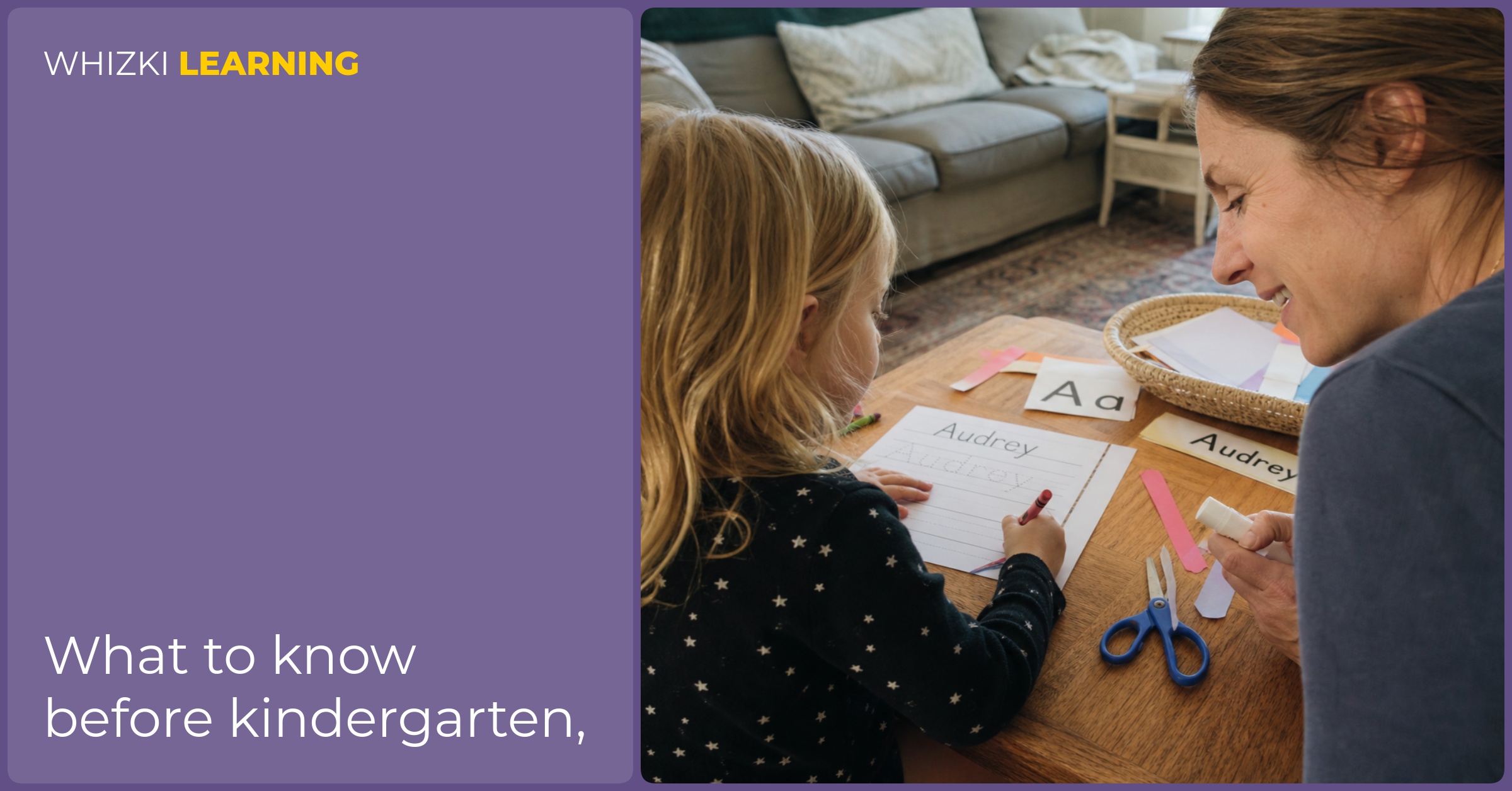
Kindergarten teachers love when a child recognizes the child’s own name because name recognition supports cubbies, folders, artwork, and attendance routines. The Orton-Gillingham approach also starts from clear sound-symbol connections, and a child’s name is often the most meaningful print in the room. Full reading can wait; noticing the letters in a loved name is a strong beginning.
The summer practice idea is a name hunt. Write the child’s name on a card, place the same name on a cup, a drawing folder, and a bedroom door, then ask the child to match the card to the labels. A parent can say the name slowly, tap each letter, and talk about the first sound without quizzing the child on every alphabet letter.
The matching printable is a personalized name page with a trace line, a build-the-name strip, and a small drawing box. A child can trace with a finger first, use a crayon next, and build the name with cut letters after that. The printable should support left-to-right movement and letter attention without demanding perfect pencil control.
For families who want a ready path, the Kindergarten Readiness Worksheet Set in our worksheet sets gathers name practice, scissor paths, direction cards, and routine pages in one place. The complete pack lives in Plus, and the best use is ten calm minutes at a time.
A simple summer practice plan
A summer practice plan works best when the plan feels like family life, not school boot camp. Montessori and Reggio classrooms both lean on prepared spaces, observation, and purposeful work, and home practice can borrow that same idea with a small basket of crayons, scissors, paper, and picture cards. A child gains confidence when the same few materials return in familiar ways.
Monday can be a backpack routine, Tuesday can be a direction game, Wednesday can be cutting and gluing, Thursday can be name play, and Friday can be a library or picture-book day. The calendar does not need to be perfect, because repetition across ordinary days builds more readiness than one long cram session. A parent should stop while the child still has some energy left, because ending on success makes the next practice easier.
A teacher-survey approach keeps kindergarten prep honest. The most common classroom wish is not “please arrive reading”; the wish is “please arrive ready to join, try, listen, manage belongings, and use hands safely.” A child who brings those habits to kindergarten has a sturdy start for the reading, writing, math, art, and friendship work ahead.
Kindergarten readiness is not a race to make a preschooler look older. Kindergarten readiness is a summer of small chances to zip, listen, snip, scribble, sort, ask, wait, and try again. Choose one skill for today, print one page if a page helps, and let the child feel the quiet pride of doing a real job.