Community helpers → Identify roles → Student names helpers and connects each one to a job people depend on.
Social studies vocabulary → Read and discuss terms → Student uses helper names and role words in short spoken explanations.
Community roles → Compare services → Student tells how two helpers support people in different everyday situations.

Six-year-olds can name a firefighter or doctor pretty quickly, then stall when the page asks what that helper actually does. This first grade social studies worksheet gives that conversation a clear place to start. As your child works through the page, you can read the prompts together, name the community helpers, and talk about the jobs people do in neighborhoods, schools, and other shared places.
This page is a good fit when a child can listen to short directions, read simple words with help, or explain an idea out loud. They do not need to know every job title before starting. If a term feels new, pause and connect it to real life: “Who helps when someone is sick?” or “Who keeps a school day moving?” Those small questions help the social studies words feel less abstract.
The practice works by asking children to notice roles, compare what different helpers do, and connect each helper with a useful service. That is concrete work for first grade. Instead of memorizing a long list, your child gets to use clues on the page, say the words, and explain the match or choice in their own way. Keep it light and let them talk through their thinking before writing or marking an answer.
Stay close for the first item, then let your child try the next one with a little wait time. If they guess, ask, “What on the page helped you think that?” After finishing, point out one helper you might see this week. For more practice with the same topic, try this first grade community helpers practice page to revisit job vocabulary, then use this community helpers review worksheet for another round of reading and role matching.
Boost your child’s skills with our discounted workbooks. Engaging activities for preschool, kindergarten, and grade 1 - now at special sale prices!


Fast shipping
Secure Payment
Licensed Teachers
For the planet
Printed in the USA
Helpful guides for parents and teachers, and tips for making learning at home super fun.

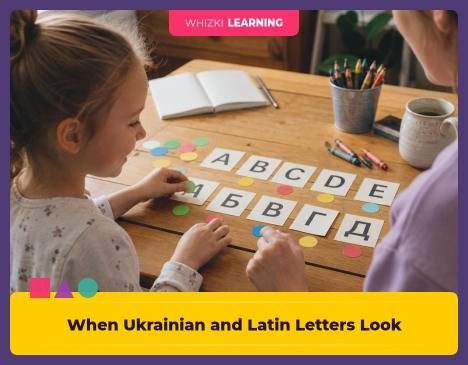
A warm, practical plan for helping ages 3-7 notice Ukrainian and Latin letter look-alikes with color cues, context, and short table routines.

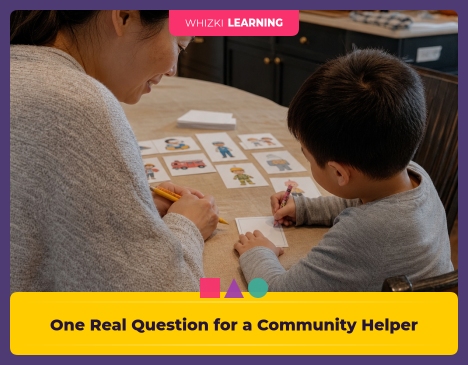
Help children ages 3 to 7 prepare one respectful question for a real community helper using a simple card, quick rehearsal, and honest context.

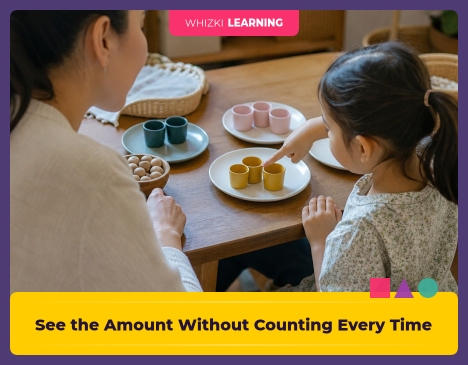
Use cups, plates, or blocks to help children ages 3-7 recognize small amounts without counting each object, in a quick table routine.

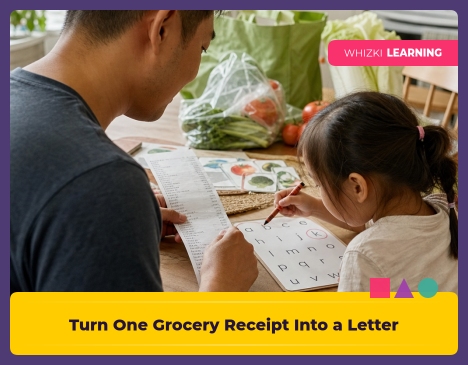
Use a grocery receipt for a short, screen-free letter hunt that compares uppercase and lowercase, spots repeated words, and stops before print feels tiring.
Get exclusive activities, expert tips, and inspiration for a more meaningful, offline family life.