Cultures and traditions → Notice familiar practices → Child points to the page and names something families may do together.
Preschool social studies → Compare family routines → Child uses simple words to tell what seems same or different.
Shared worksheet talk → Build vocabulary → Child hears and tries words like culture, tradition, family, and celebration in context.

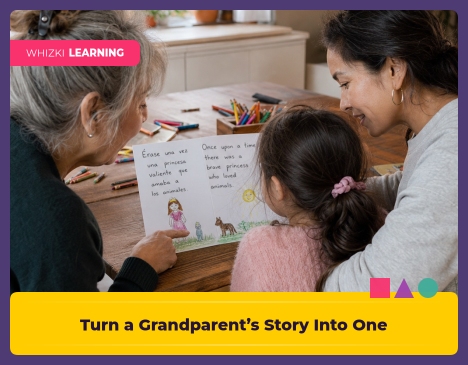
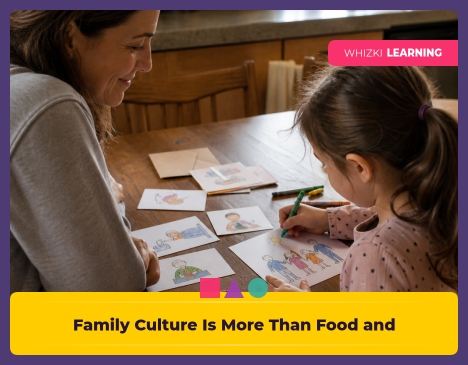
Big ideas like cultures and traditions can feel too wide for a three-year-old, especially when attention comes and goes. This preschool social studies page keeps the work close to real life. Sit together, look at the page, and use the activity as a short talk about the ways families celebrate, help, eat, dress, gather, or remember special days.
At this age, the goal is not a perfect answer. It is noticing and naming. Read the direction aloud, pause often, and let your child point, tell, or choose as the page invites. If a word feels new, say it in a simple sentence, like, “A tradition is something people do again and again because it matters to them.”
The practice works best when you connect the page to your own family. Ask one small question at a time: “What do we do every year?” or “What do you notice here?” If your child is ready for more, this related cultures and traditions preschool worksheet gives another chance to revisit the same social studies idea without starting from scratch.
Keep it short and warm. A crayon mark, a pointed finger, or a few spoken words can all be part of the work. For a next step, try the second cultures and traditions printable to give your child another screen-free way to notice how family routines and traditions can be alike or different.
Boost your child’s skills with our discounted workbooks. Engaging activities for preschool, kindergarten, and grade 1 - now at special sale prices!


Fast shipping
Secure Payment
Licensed Teachers
For the planet
Printed in the USA
Helpful guides for parents and teachers, and tips for making learning at home super fun.

Help young children measure with paper clips before a ruler, using equal units, clear endpoints, and quick fixes for gaps, overlaps, and different answers.

Picture labels can build meaning, first-sound attention, or guessing habits. Use this parent-friendly decision tree to know when to cover or reveal the picture.

A vague school screening notice can leave families guessing, so start with seven plain questions about the test, timing, language, evidence, and next steps.

A field note on the May 2026 move to one shared worksheet generator API, with a simple parent preview for print consistency and handwriting comfort.
Get exclusive activities, expert tips, and inspiration for a more meaningful, offline family life.