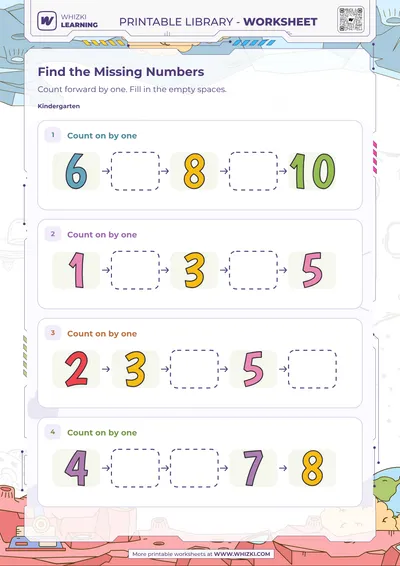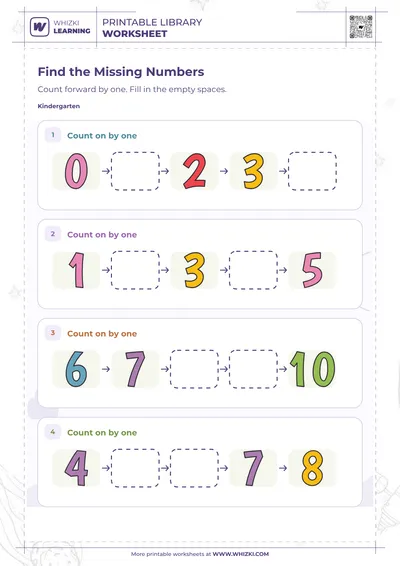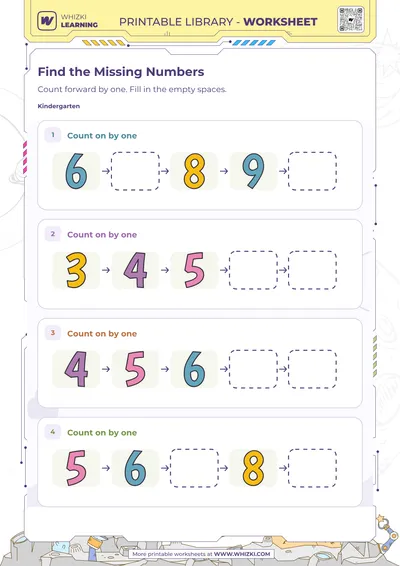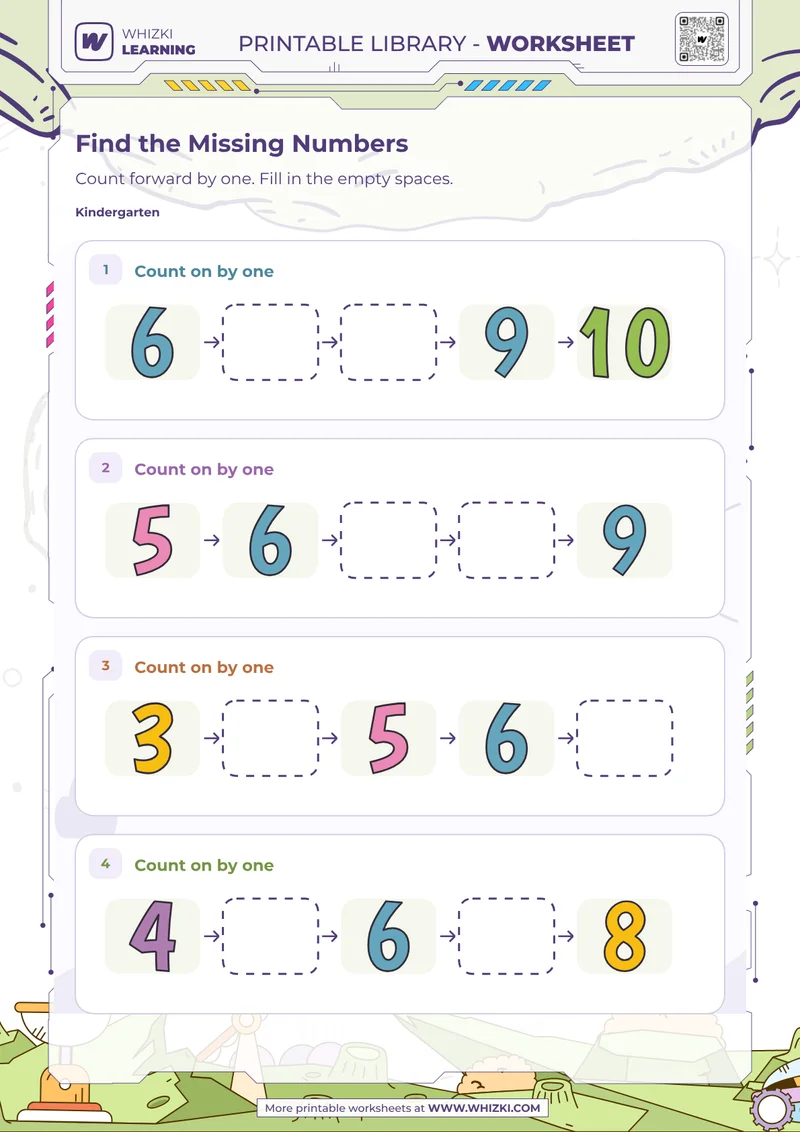


Child → Counts forward through short number trails → Fills blanks by using the number before and after.
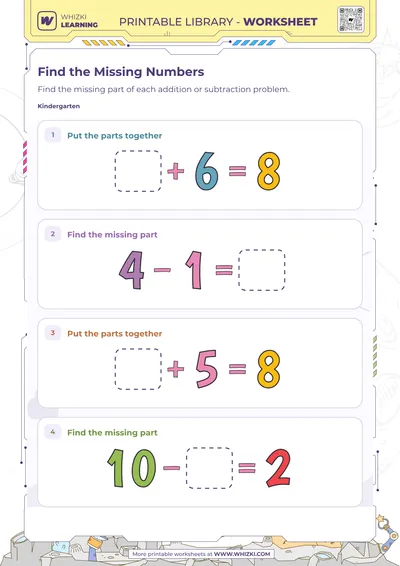
Child → Relates counting order to addition facts → Names the missing starting number in simple addition sentences.
Child → Checks subtraction facts with nearby numbers → Names the missing result or starting number with adult support.

Kids often know the counting song but still stall when a blank shows up in the middle. This kindergarten math page gives them four short number trails to complete, with two missing numbers in each trail and numbers running from 3 to 10.
The page fits a 6-year-old who can count forward aloud and is ready to look closely at what comes before and after a number. Each trail is paired with a simple addition or subtraction sentence that also has one missing number, so the counting work stays connected to early number facts.
Sit together and point to the filled numbers first. Ask, “What comes right after this?” or “What number would make this sentence true?” If guessing starts, have them whisper-count along the trail, then write the missing number. For base-ten place value support after this, tens and ones number cards give a hands-on way to build numbers with tens and ones.
When the page is finished, invite a quick check from left to right. Read the completed trails aloud and then read the addition or subtraction sentence in words. If your child wants more gap-filling practice, another missing numbers worksheet keeps the same idea going without adding a new set of directions.
Boost your child’s skills with our discounted workbooks. Engaging activities for preschool, kindergarten, and grade 1 - now at special sale prices!


Fast shipping
Secure Payment
Licensed Teachers
For the planet
Printed in the USA
Helpful guides for parents and teachers, and tips for making learning at home super fun.

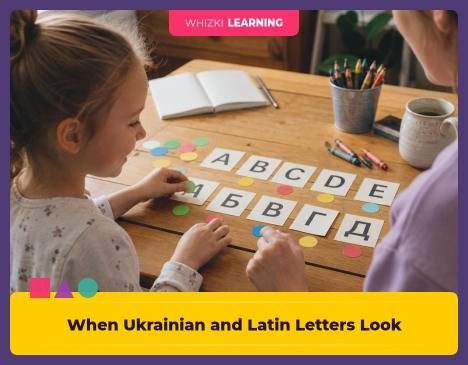
A warm, practical plan for helping ages 3-7 notice Ukrainian and Latin letter look-alikes with color cues, context, and short table routines.

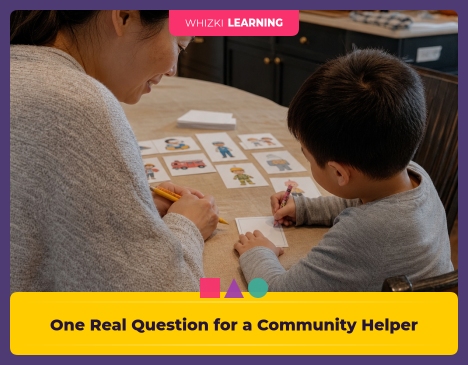
Help children ages 3 to 7 prepare one respectful question for a real community helper using a simple card, quick rehearsal, and honest context.

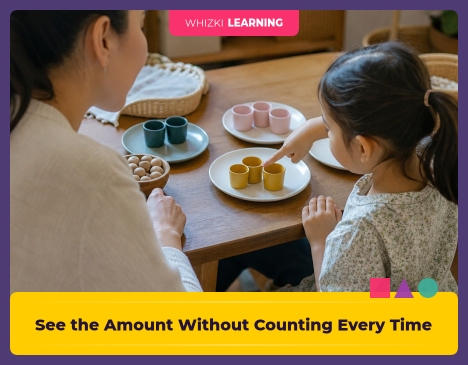
Use cups, plates, or blocks to help children ages 3-7 recognize small amounts without counting each object, in a quick table routine.

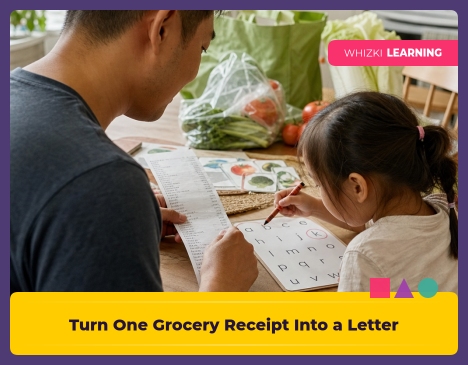
Use a grocery receipt for a short, screen-free letter hunt that compares uppercase and lowercase, spots repeated words, and stops before print feels tiring.
Get exclusive activities, expert tips, and inspiration for a more meaningful, offline family life.