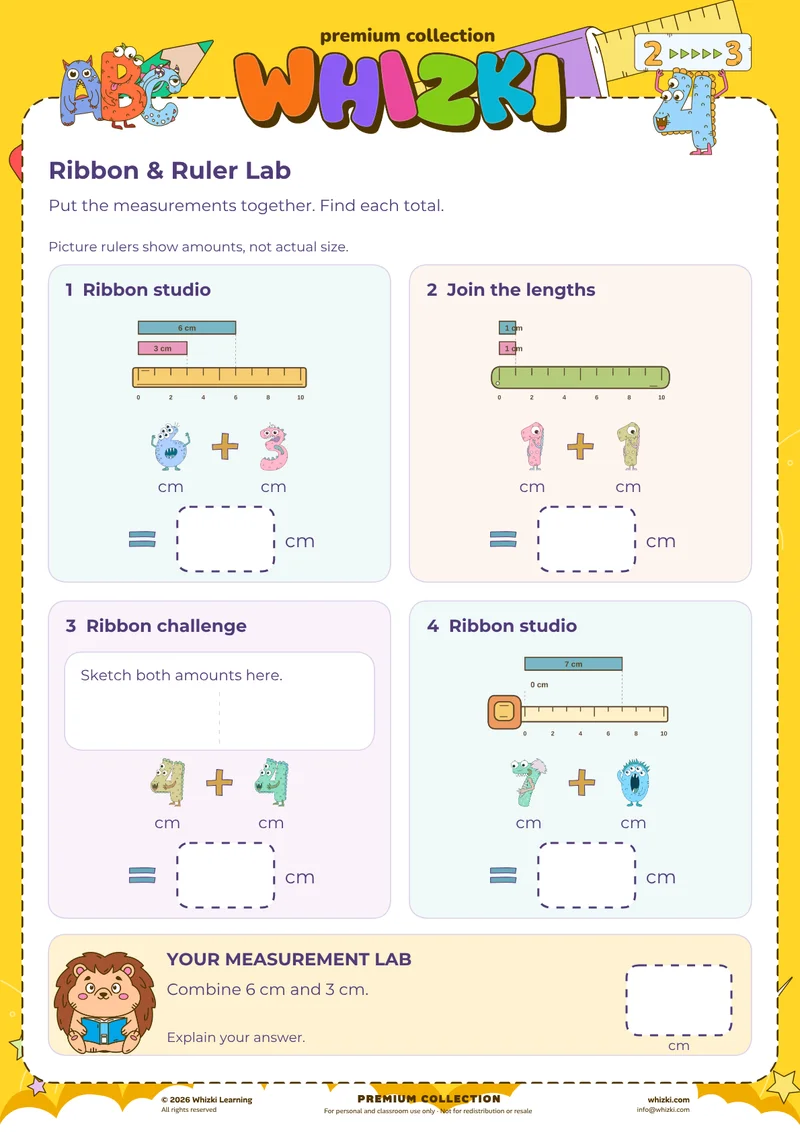


Interpret the abbreviation cm as centimeters and use the printed length amounts consistently throughout a same-unit activity.
Solve four addition problems involving centimeters, keeping the unit attached to the total or remaining amount.
Explain the measurement mission using its given quantities, connecting the numerical answer with the amount described in the prompt.

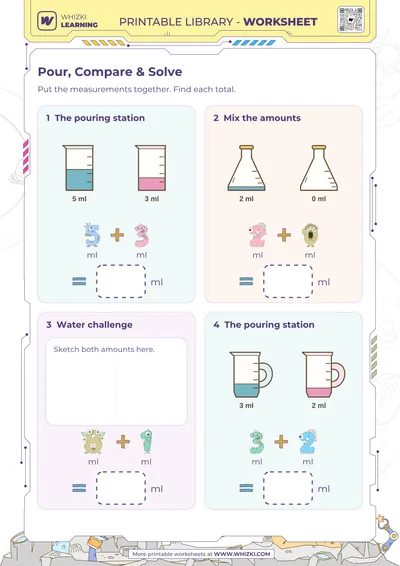
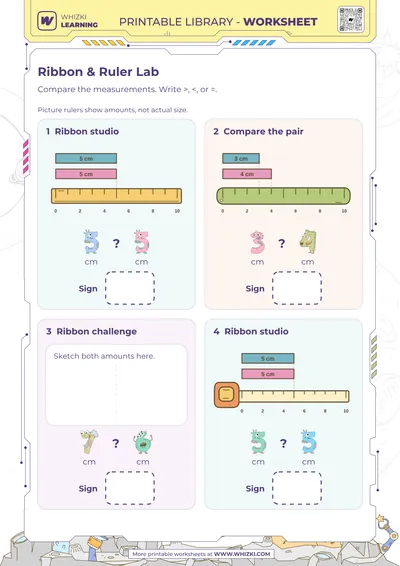
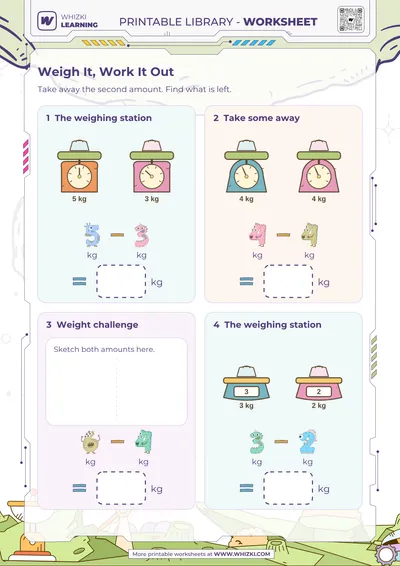
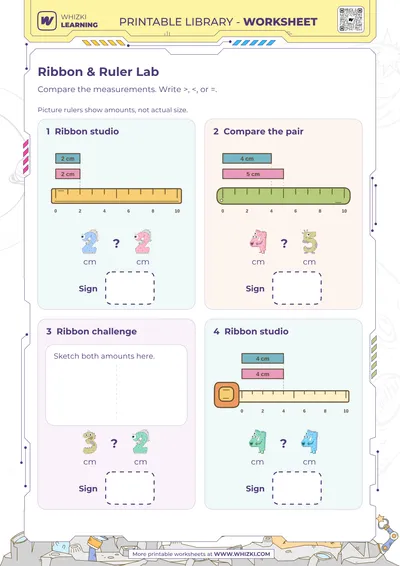
This centimeters measurement worksheet presents four addition activities using length amounts in the same unit. Combine the two printed amounts and write each total. The page also includes a measurement mission asking for one more answer and an explanation. Read the unit abbreviation cm as centimeters before beginning.
Use the supplied numbers and illustrated measurement models to work through one example together: 6 cm + 3 cm = 9 cm. Keep the unit with the numbers while explaining how the two amounts are combined or separated. The picture rulers represent the given amounts; they are not printed at actual measuring size. All comparisons and calculations on this page use centimeters.
An adult can read a prompt, ask what is known, and let the child explain the next step before writing. The measurement mission asks the child to combine 6 cm and 3 cm. Use counting objects or a drawn number line on separate paper if the arithmetic needs support. Then return to the measurement wording and say what the answer represents.
Find other units and operations in the Measurement Workshop Pack. For practice with ordinary number operations, explore the Addition and Subtraction Pack. A separate hands-on follow-up can use a suitable measuring tool with adult guidance. Keep that real measurement activity distinct from the worksheet’s supplied values, and begin with a few problems that the child can explain comfortably.
Boost your child’s skills with our discounted workbooks. Engaging activities for preschool, kindergarten, and grade 1 - now at special sale prices!


Fast shipping
Secure Payment
Licensed Teachers
For the planet
Printed in the USA
Helpful guides for parents and teachers, and tips for making learning at home super fun.

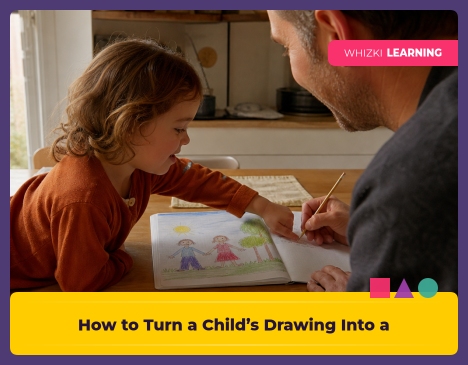
Use a child’s own drawing and spoken words to build a first sentence through adult dictation, shared writing, or optional child writing.

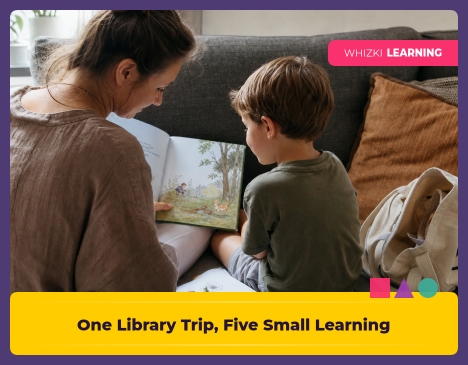
Turn one borrowed book into five short learning moments for ages 3 to 7, with choosing, rereading, drawing, counting, memory, and returning.

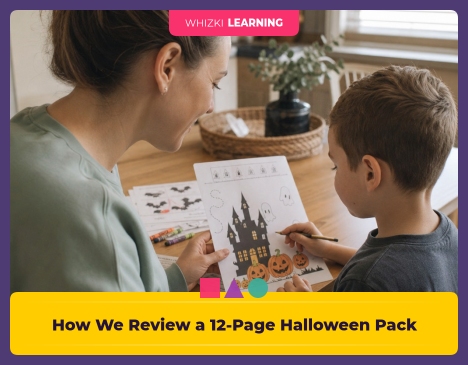
A practical field note on reviewing a 12-page Halloween activity pack for counting, patterns, tracing, vocabulary, handwriting, print choices, and age fit.

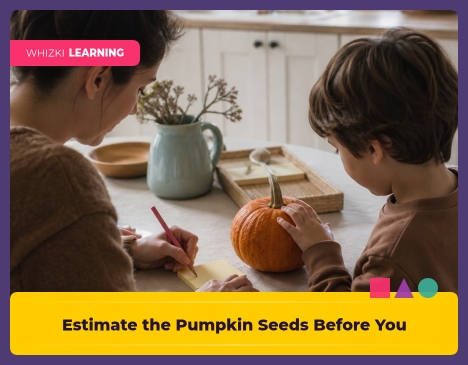
Turn pumpkin scooping into a hands-on counting investigation: estimate seeds, group in friendly piles, compare the count, and clean up safely.
Get exclusive activities, expert tips, and inspiration for a more meaningful, offline family life.