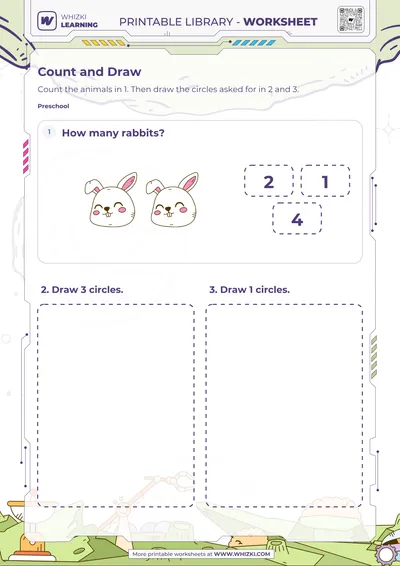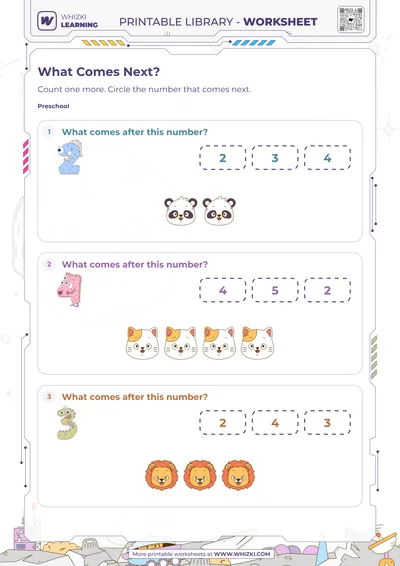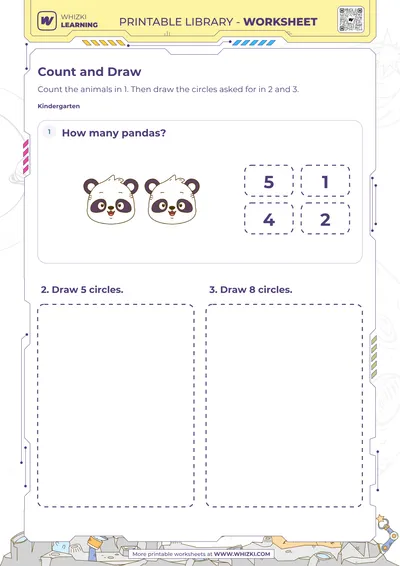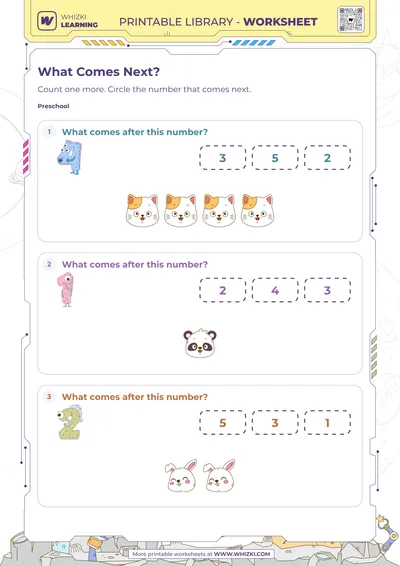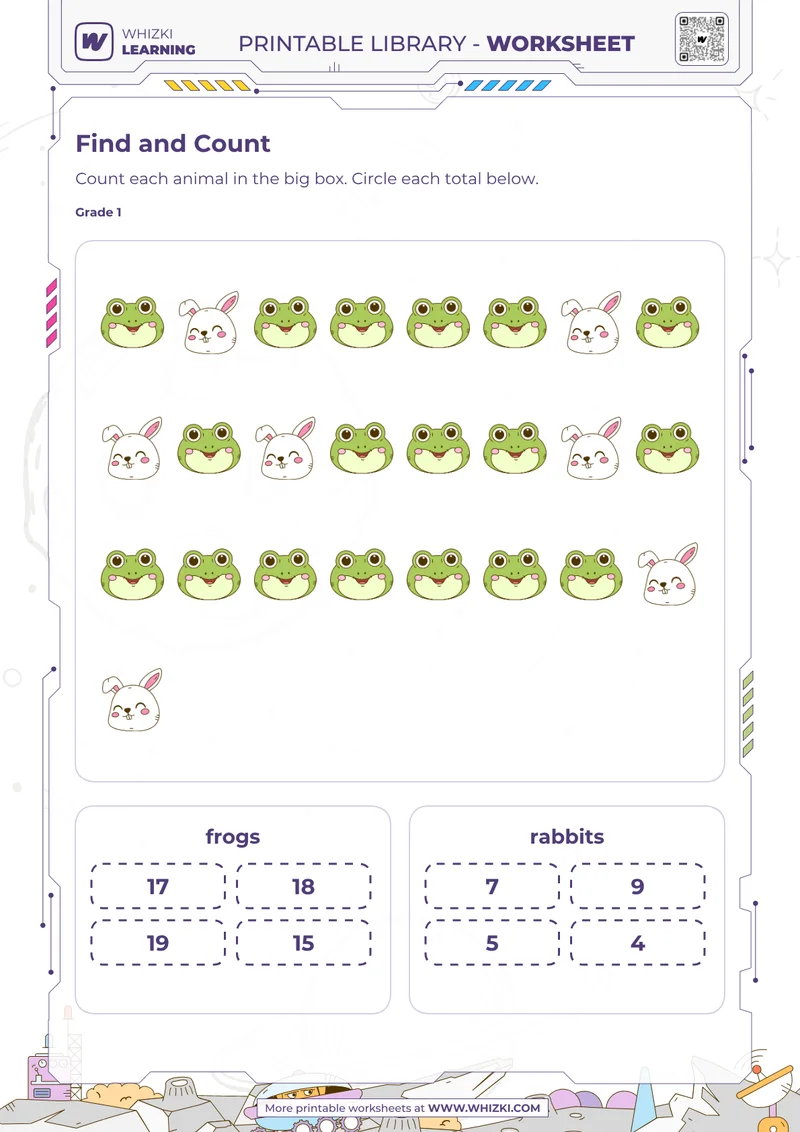


Animal picture field → Scans and counts each animal kind → Records careful totals without skipping or double-counting objects.
Number choices → Matches counted sets to written totals → Connects spoken counting with the correct numeral up to 20.
Parent-child counting time → Uses pointing and recounting → Checks answers in a calm, hands-on way before circling.

Busy picture pages can trip kids up. A first grader may count the same animal twice, skip one in a corner, or forget the total before finding the answer choice. This worksheet gives one clear job: find each kind of animal in the mixed picture field, count that group, and circle the matching total up to 20.
It is a good fit when your six-year-old can say the counting sequence to 20 and is beginning to connect a counted set with a written number. The page stays screen-free and hands-on. You can sit nearby, let them scan the picture, and ask, “Which animal are you counting now?” before they circle.
The practice works through one-to-one counting. Each animal should get one count word, and the last count tells the total for that kind. If they lose track, have them start again slowly, point to each animal, or use a blank paper edge to cover part of the picture while they count.
After the animal counts feel steady, a simple next step is talking about the numbers they circled. The tens and ones number cards worksheet helps connect numbers to place value, and the tens and ones build worksheet gives another way to build teen numbers after counting them.
Boost your child’s skills with our discounted workbooks. Engaging activities for preschool, kindergarten, and grade 1 - now at special sale prices!


Fast shipping
Secure Payment
Licensed Teachers
For the planet
Printed in the USA
Helpful guides for parents and teachers, and tips for making learning at home super fun.

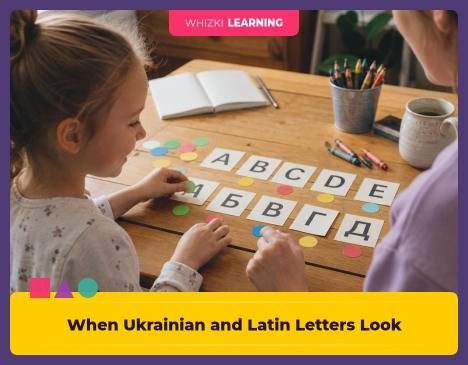
A warm, practical plan for helping ages 3-7 notice Ukrainian and Latin letter look-alikes with color cues, context, and short table routines.

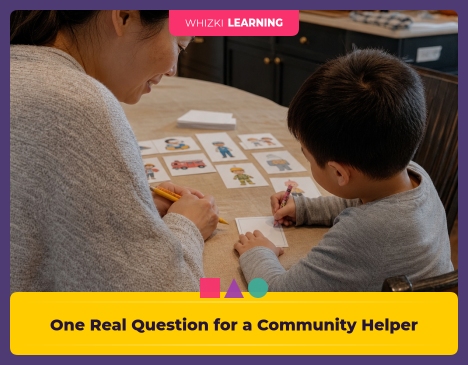
Help children ages 3 to 7 prepare one respectful question for a real community helper using a simple card, quick rehearsal, and honest context.

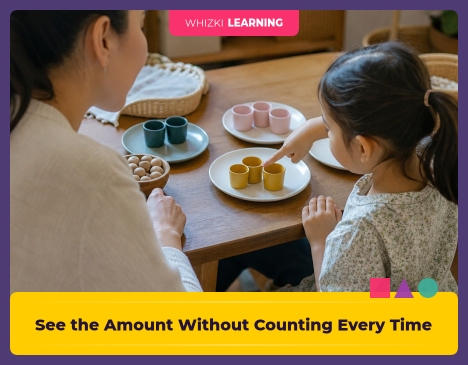
Use cups, plates, or blocks to help children ages 3-7 recognize small amounts without counting each object, in a quick table routine.

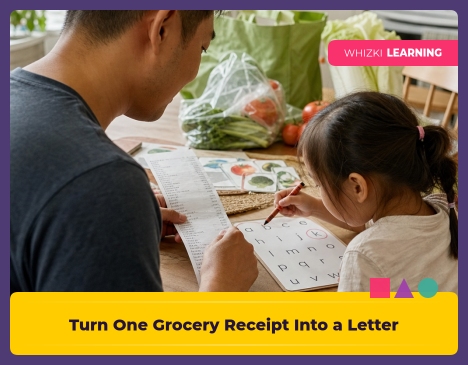
Use a grocery receipt for a short, screen-free letter hunt that compares uppercase and lowercase, spots repeated words, and stops before print feels tiring.
Get exclusive activities, expert tips, and inspiration for a more meaningful, offline family life.