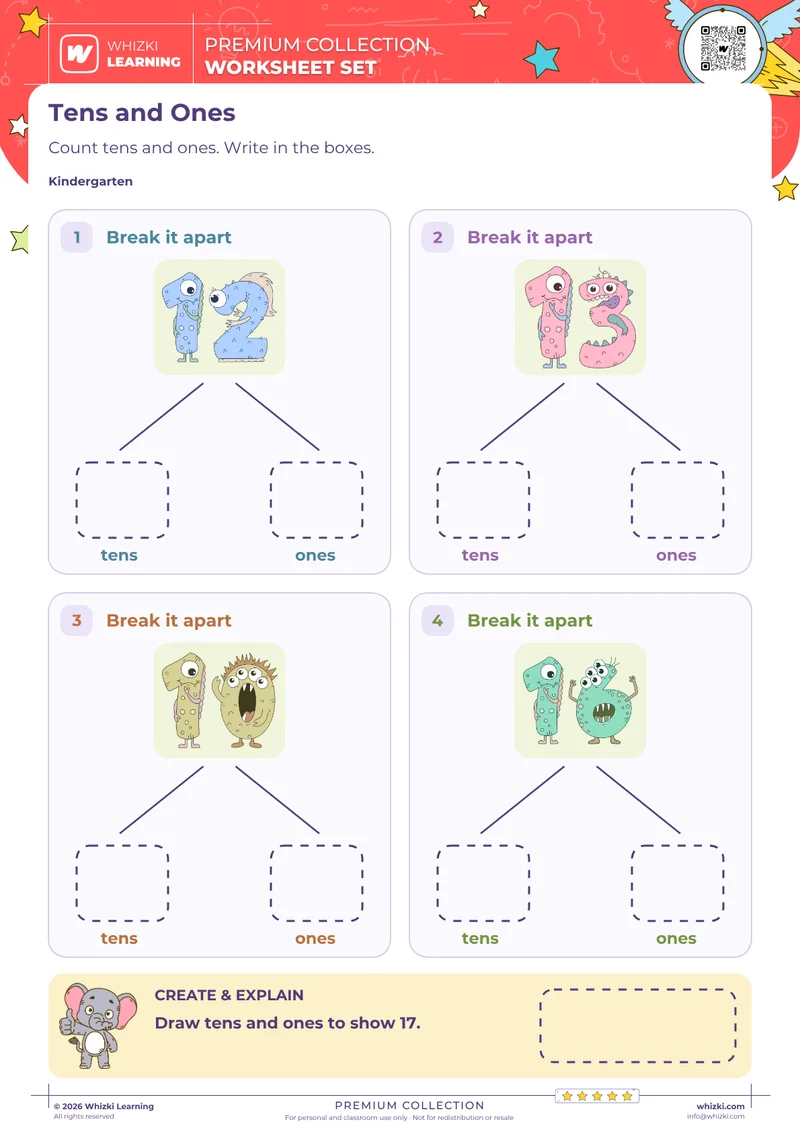


Represent a number as tens and ones, recognizing that one ten contains ten individual ones.
Connect a tens-and-ones representation with the complete numeral and an addition of its place-value parts.
Create and explain a drawing that keeps a group of ten distinct from the remaining individual ones.

This tens and ones worksheet explores 12, 13, 10, and 16. Read each number card, write its tens and ones, and complete the addition showing its parts. A final drawing activity asks the child to represent 17. The page connects a whole number with a group of ten and its remaining ones.
For 12, one full ten is 10, and 2 individual ones remain. Together they make 10 + 2 = 12. A ten is one group containing ten ones, not one individual object. Point to the full frame or use ten counters grouped together before counting the loose ones separately.
In the drawing activity, show 17 with one group of ten and 7 individual ones. Keep the ten visibly grouped so the child can distinguish one ten from one one. An adult can ask how many groups of ten there are and then how many loose ones remain. Read the complete number after identifying both parts, and use counters to check the drawing if needed.
Continue with related activities in the Early Math Essentials. The number reference library offers another look at the numerals and quantities used in early math. Choose a few questions that the child can discuss comfortably, then return to the page during another short practice session. A useful next step is asking the child to explain one answer using a different drawing or a small group of counters.
Boost your child’s skills with our discounted workbooks. Engaging activities for preschool, kindergarten, and grade 1 - now at special sale prices!


Fast shipping
Secure Payment
Licensed Teachers
For the planet
Printed in the USA
Helpful guides for parents and teachers, and tips for making learning at home super fun.

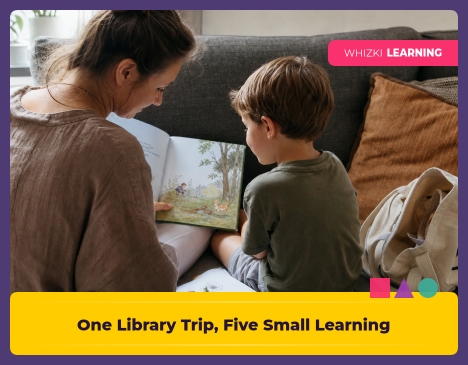
Turn one borrowed book into five short learning moments for ages 3 to 7, with choosing, rereading, drawing, counting, memory, and returning.

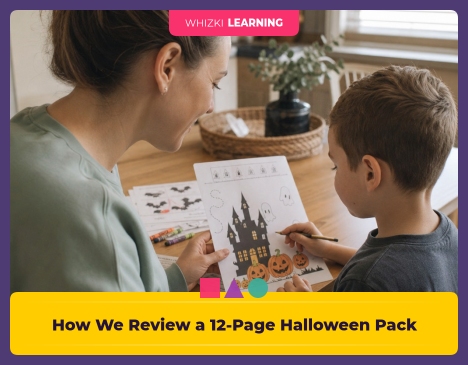
A practical field note on reviewing a 12-page Halloween activity pack for counting, patterns, tracing, vocabulary, handwriting, print choices, and age fit.

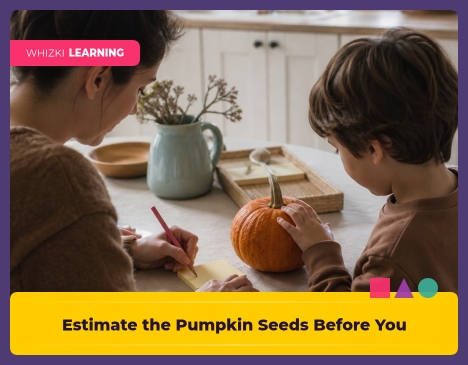
Turn pumpkin scooping into a hands-on counting investigation: estimate seeds, group in friendly piles, compare the count, and clean up safely.

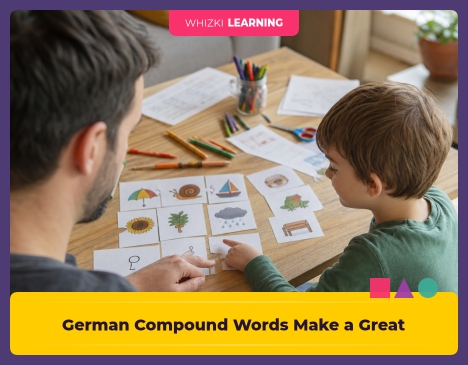
Turn two familiar German picture words into one compound word with a playful, hands-on activity for ages 3-7 at home or in the classroom.
Get exclusive activities, expert tips, and inspiration for a more meaningful, offline family life.