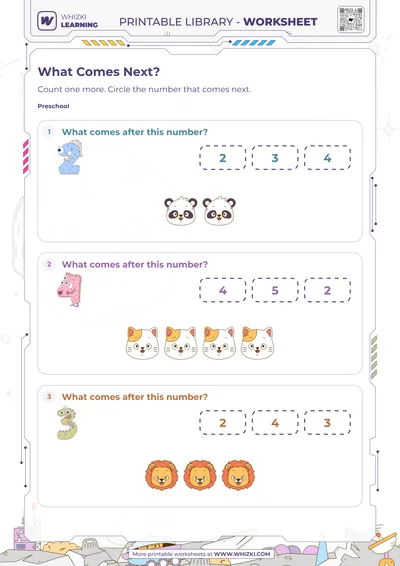
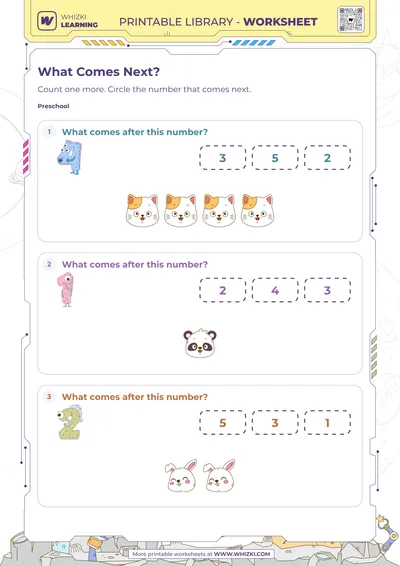
Kindergartner → Identifies the next whole number → Chooses the number that follows a given numeral up to 10.
Kindergartner → Connects counting words to numerals → Says the sequence aloud to check a printed number choice.
Kindergartner → Uses one-more reasoning → Counts forward by one instead of starting over for familiar numbers.

Five-year-olds often know the counting song before the printed numbers feel steady. On this worksheet, they look at a given whole number and choose the number that comes next, with answers no higher than 10.
This is a good fit when counting to 10 is familiar but number order still takes a pause. Keep a small set of counters, buttons, or cereal pieces nearby. If a number feels stuck, let them count objects from one and stop at the given number, then name the next one.
The practice is simple on purpose. Reading the numeral, saying the counting sequence, and choosing the next number all work together. That helps connect spoken counting to the written numbers they see on the page.
Sit beside them for the first few items and ask, What number comes after this one? If they guess, have them count aloud instead of erasing right away. For a next step, try missing number practice to work with number order in another format, or use tens and ones building later when numbers past 10 are ready.
Boost your child’s skills with our discounted workbooks. Engaging activities for preschool, kindergarten, and grade 1 - now at special sale prices!


Fast shipping
Secure Payment
Licensed Teachers
For the planet
Printed in the USA
Helpful guides for parents and teachers, and tips for making learning at home super fun.

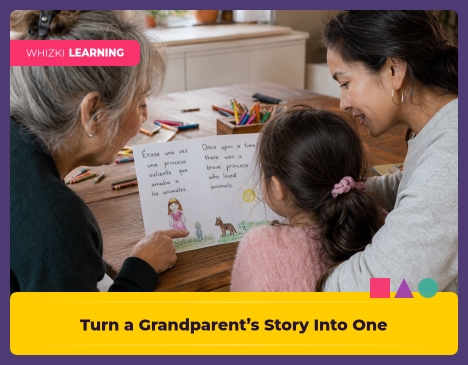
A simple plan for turning one grandparent memory into a bilingual keepsake page with exact words, a child drawing, and clear privacy boundaries.

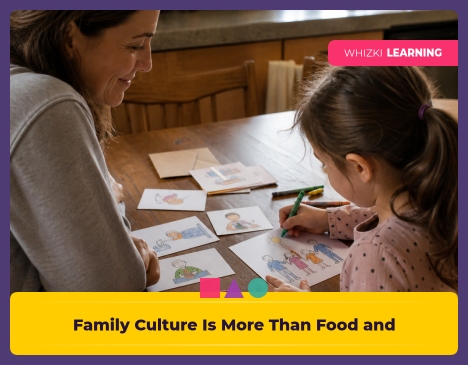
A practical guide for inviting family stories about names, language, music, routines, celebrations, and places without putting children on display.

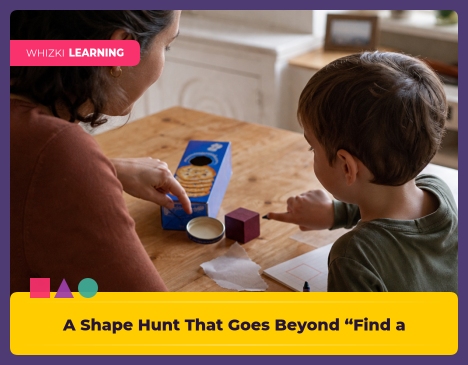
Turn a quick room search into early geometry talk by asking about sides, corners, curves, and shapes inside everyday objects.

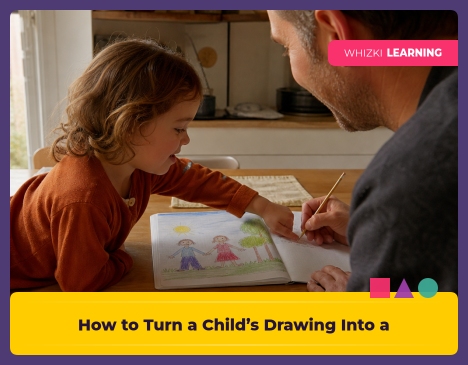
Use a child’s own drawing and spoken words to build a first sentence through adult dictation, shared writing, or optional child writing.
Get exclusive activities, expert tips, and inspiration for a more meaningful, offline family life.