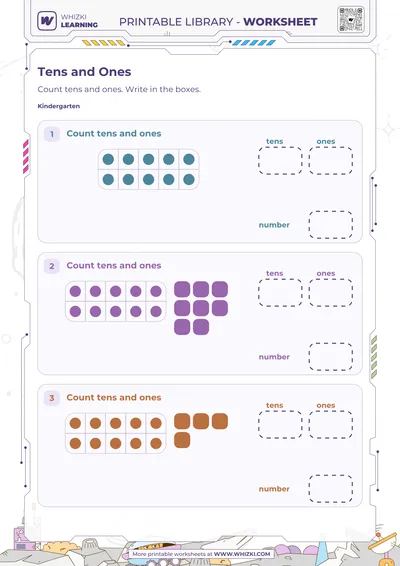
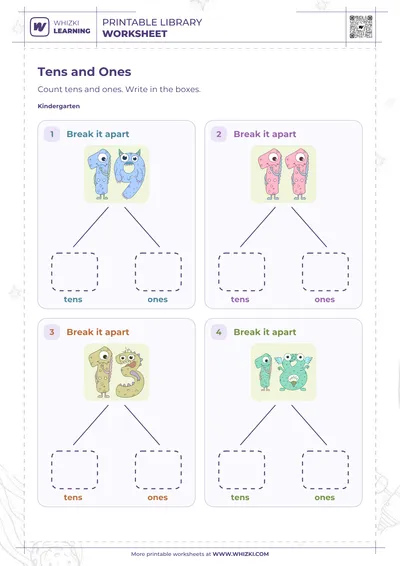
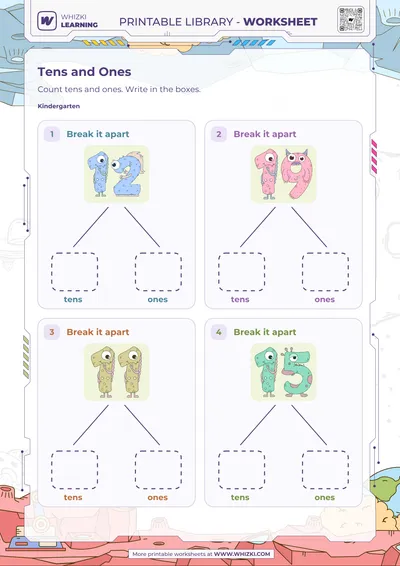
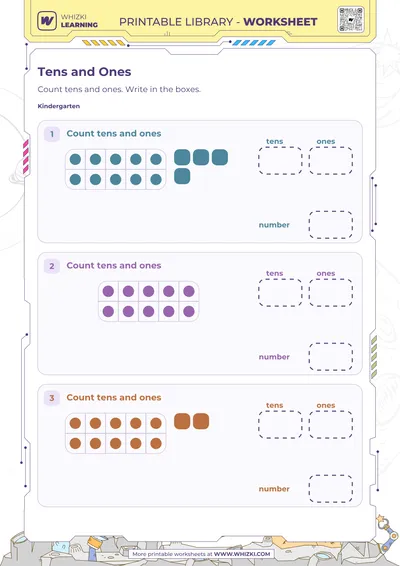
Kindergartener → Separates 17, 14, and 12 into tens and ones → Builds early place-value understanding using written fields.
Number sense → Connects one ten with extra ones → Shows how teen numbers are made from grouped parts.
Parent and child → Read each number, use the model, and write parts → Practice careful counting and recording.

Teen numbers can be tricky because kids may see 17 and think only about seven. This printable slows the idea down. It shows 17, 14, and 12 with clear learning models, then gives writing fields so you can name the tens and ones together.
This page fits a kindergartener who can count small groups and recognize numerals up to the teens, even if place value is still new. If counting objects still takes a lot of effort, sit beside them and count slowly. Small blocks, buttons, or cereal pieces can help make one ten and the leftover ones feel real.
For 17, point to the 1 and say, “one ten,” then point to the 7 and count seven ones. Repeat the same routine for 14 and 12, letting your child write 1 in the tens field and the matching ones number in the ones field. Keep the words steady: one ten and seven ones, one ten and four ones, one ten and two ones.
After the page is done, ask your child to choose one number and build it again with objects. For extra numeral practice before building teen numbers, try the Selected Number Cards Worksheet. To keep the counting order fresh, the Find the Missing Numbers Worksheet gives a helpful next step.
Boost your child’s skills with our discounted workbooks. Engaging activities for preschool, kindergarten, and grade 1 - now at special sale prices!


Fast shipping
Secure Payment
Licensed Teachers
For the planet
Printed in the USA
Helpful guides for parents and teachers, and tips for making learning at home super fun.

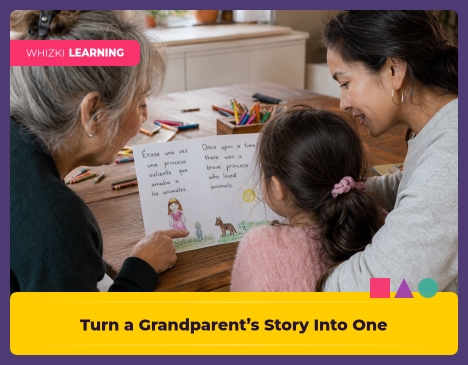
A simple plan for turning one grandparent memory into a bilingual keepsake page with exact words, a child drawing, and clear privacy boundaries.

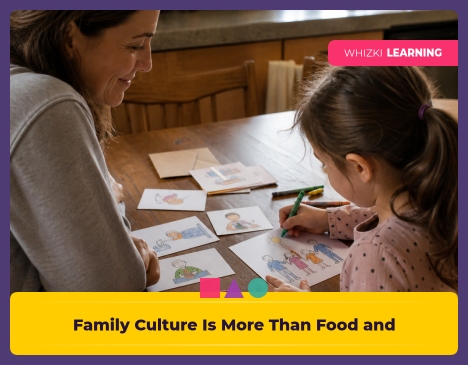
A practical guide for inviting family stories about names, language, music, routines, celebrations, and places without putting children on display.

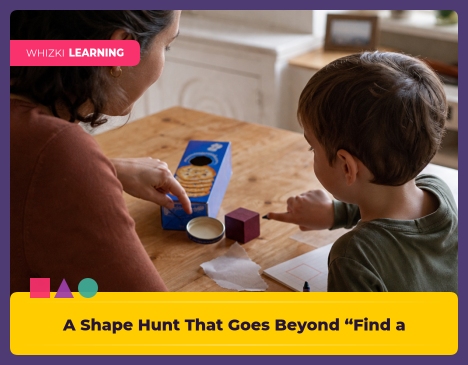
Turn a quick room search into early geometry talk by asking about sides, corners, curves, and shapes inside everyday objects.

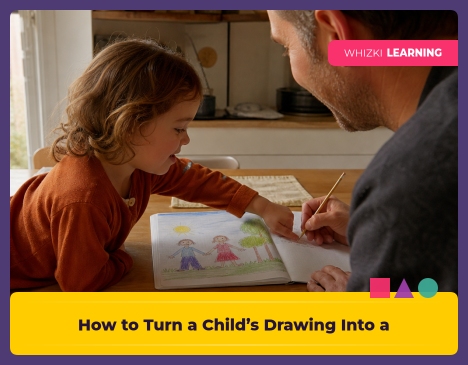
Use a child’s own drawing and spoken words to build a first sentence through adult dictation, shared writing, or optional child writing.
Get exclusive activities, expert tips, and inspiration for a more meaningful, offline family life.