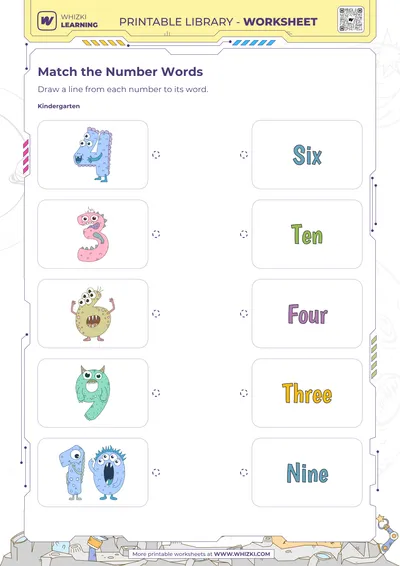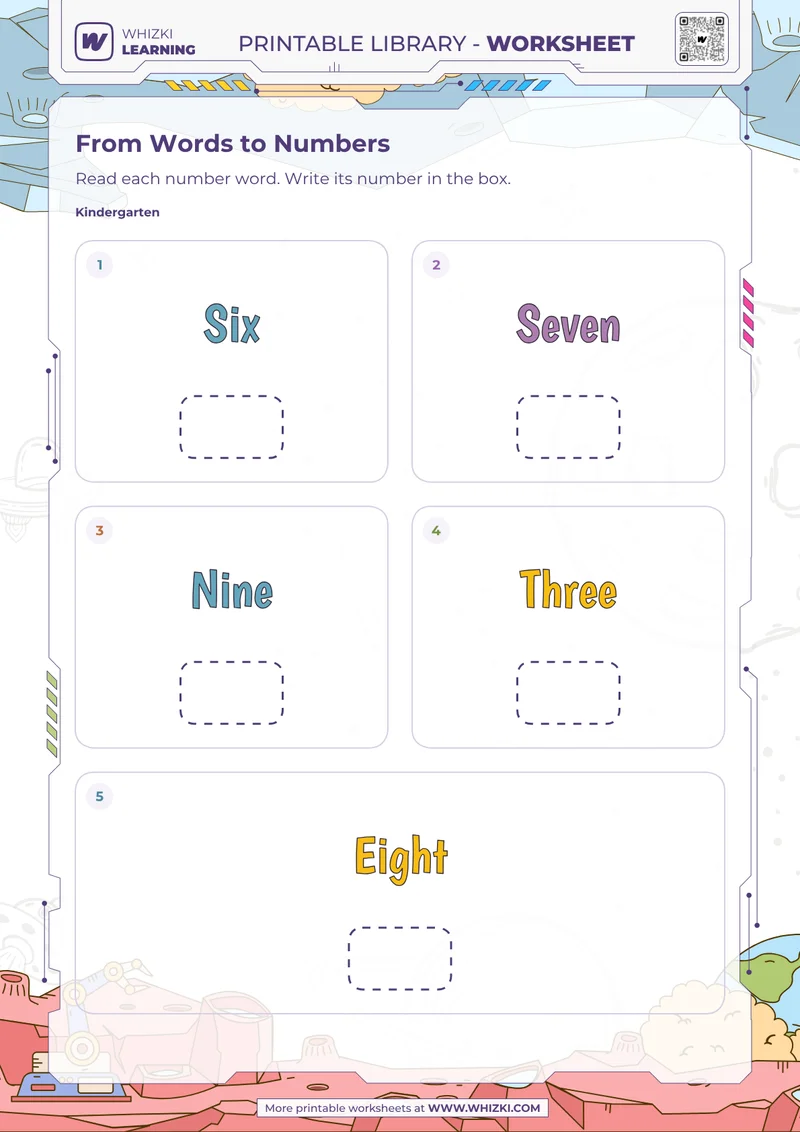


Number words → Reading → Child reads six, seven, nine, three, and eight before writing the matching numeral.
Numeral writing → Formation → Child writes 6, 7, 9, 3, and 8 in large boxes with adult support as needed.
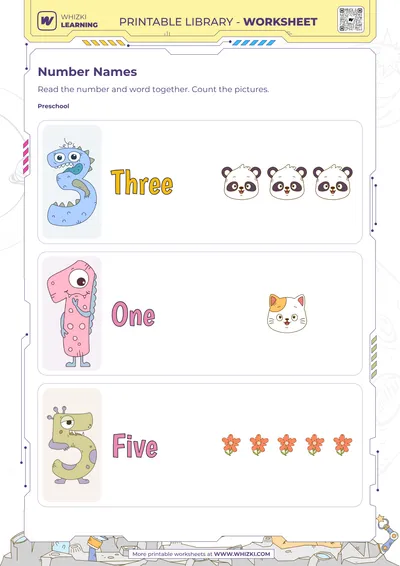
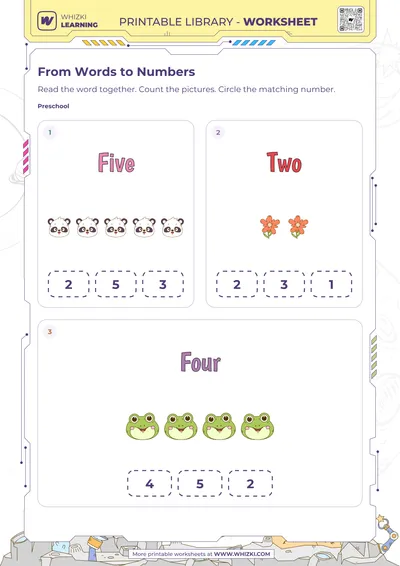
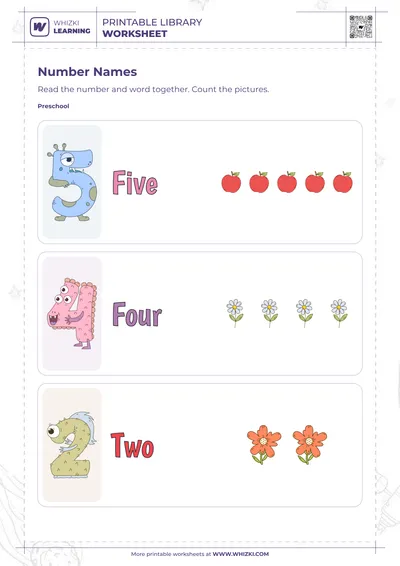
One to ten range → Number sense → Child pairs spoken counting words with printed number words and matching numerals in a focused set.

Six-year-olds can count out loud and still freeze when a printed number word has to turn into a numeral. This kindergarten page gives a small, focused set: six, seven, nine, three, and eight. Kids read each word, say it if that helps, and write the matching numeral in the large box.
This works best when a child already knows the counting words up to ten and recognizes at least a few numerals. It is not a full 1 to 10 chart. The goal is number word recognition with a short list, so the page feels doable instead of crowded.
Sit nearby and take one line at a time. Point to the word, read it together if needed, then ask which numeral matches. If a numeral is flipped or guessed, keep it calm. Have them count on fingers, check the word again, and rewrite the numeral in the box.
After this page, you can build the idea in two directions. Use circle, count, and draw practice to connect numerals with actual amounts, or try missing number practice when they are ready to think about number order.
Boost your child’s skills with our discounted workbooks. Engaging activities for preschool, kindergarten, and grade 1 - now at special sale prices!


Fast shipping
Secure Payment
Licensed Teachers
For the planet
Printed in the USA
Helpful guides for parents and teachers, and tips for making learning at home super fun.

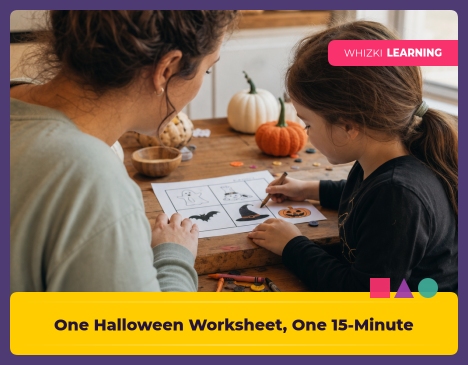
Use one Halloween worksheet in a calm 15-minute flow: preview, try, talk with objects, then stop and store, with age adjustments for preschool and kindergarten.

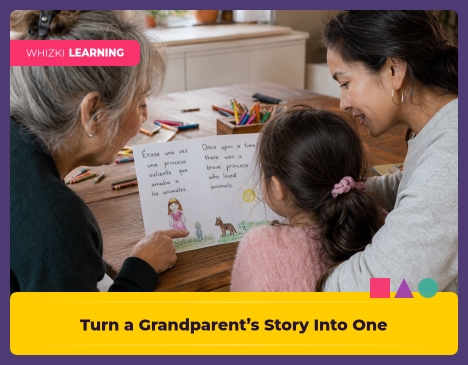
A simple plan for turning one grandparent memory into a bilingual keepsake page with exact words, a child drawing, and clear privacy boundaries.

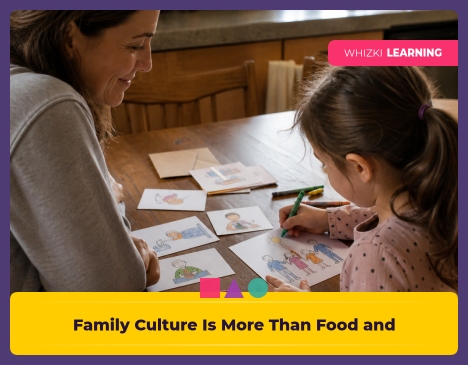
A practical guide for inviting family stories about names, language, music, routines, celebrations, and places without putting children on display.

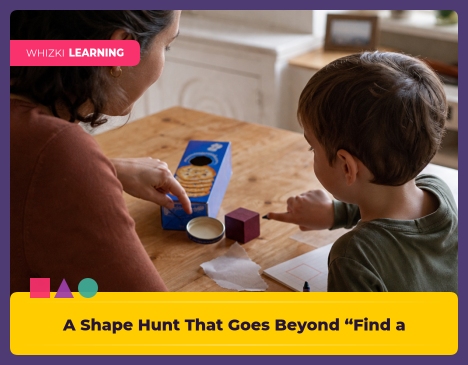
Turn a quick room search into early geometry talk by asking about sides, corners, curves, and shapes inside everyday objects.
Get exclusive activities, expert tips, and inspiration for a more meaningful, offline family life.