Number words → Read each written number name → Writes the matching numerals 9, 10, 19, 12, and 3 in large boxes.
Teen number recognition → Notice twelve and nineteen as words → Connects less familiar number names with the correct two-digit numerals.
First grade number sense → Compare one-digit and two-digit numerals → Checks that three, nine, ten, twelve, and nineteen look different.

Kids can count out loud and still pause when a number word is sitting on the page. This first grade math worksheet keeps the task small: read the number words nine, ten, nineteen, twelve, and three, then write the matching numerals 9, 10, 19, 12, and 3 in the large boxes.
It fits a child who already recognizes some numerals but needs more practice moving between the written word and the symbol. Because this is a selected set, not a full 1 to 20 chart, it works well for a short table-time moment when a long page of numbers would be too much.
Sit nearby and have your child point to one word at a time before writing. If twelve or nineteen causes a stall, say the word aloud together, then ask, “What numeral shows that number?” Keep the pace relaxed. The goal is to read, think, and write the numeral carefully, not race through the page.
After the boxes are filled, ask your child to read the answers back to you and check each word-numeral match. For a next step with the two-digit numbers, try the tens and ones number cards to sort numbers by place value, or use the tens and ones build worksheet to show how numbers like 10, 12, and 19 are made.
Boost your child’s skills with our discounted workbooks. Engaging activities for preschool, kindergarten, and grade 1 - now at special sale prices!


Fast shipping
Secure Payment
Licensed Teachers
For the planet
Printed in the USA
Helpful guides for parents and teachers, and tips for making learning at home super fun.

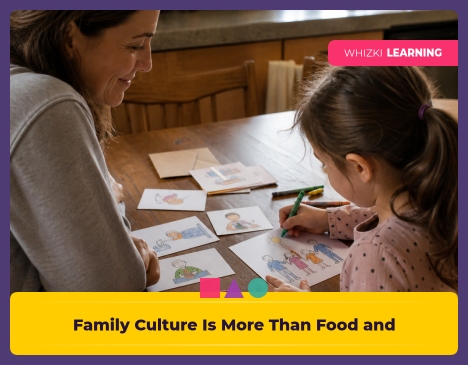
A practical guide for inviting family stories about names, language, music, routines, celebrations, and places without putting children on display.

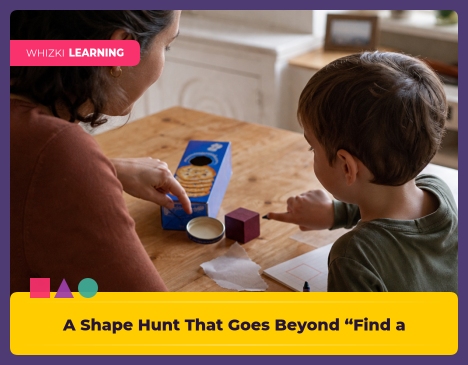
Turn a quick room search into early geometry talk by asking about sides, corners, curves, and shapes inside everyday objects.

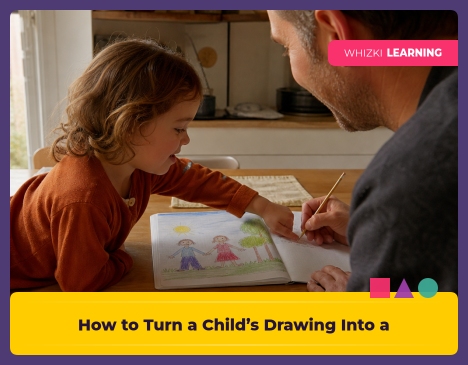
Use a child’s own drawing and spoken words to build a first sentence through adult dictation, shared writing, or optional child writing.

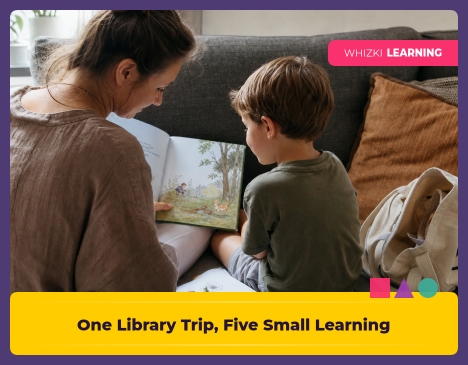
Turn one borrowed book into five short learning moments for ages 3 to 7, with choosing, rereading, drawing, counting, memory, and returning.
Get exclusive activities, expert tips, and inspiration for a more meaningful, offline family life.